



















Why Pneumonia Still Matters Today
When you hear the word pneumonia, you might think of something old-fashioned, a disease from your grandparents’ time. But here’s the truth: pneumonia is still one of the leading causes of illness and even death worldwide. The good news? We now understand it better than ever, and technology is giving us brand-new ways to prevent, detect, and manage it.
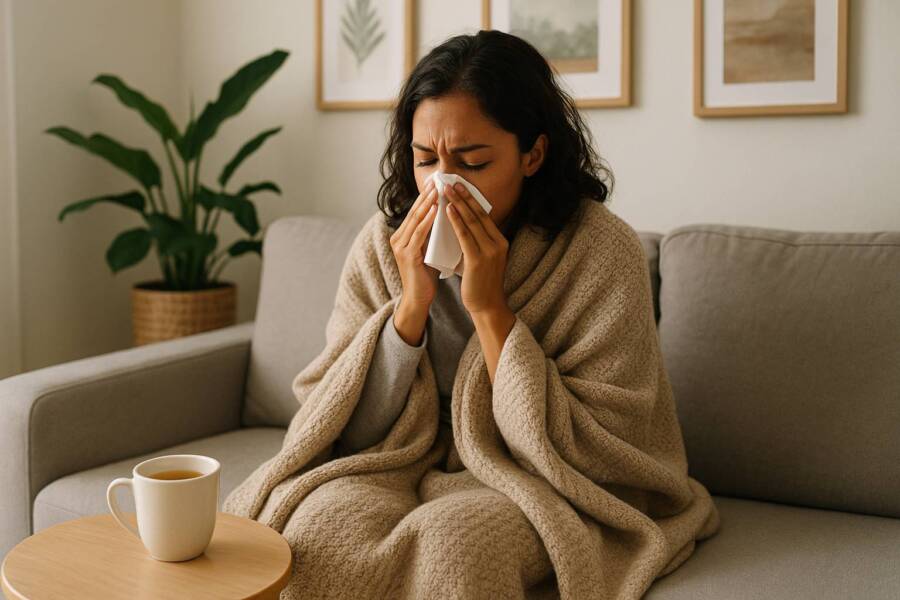
In this article, we’ll break down the symptoms of pneumonia, give you practical tips to avoid it, and explore how modern technology is stepping in to protect your lungs.
Section 1: What Exactly Is Pneumonia?
Pneumonia is an infection that inflames the air sacs in one or both lungs. These tiny sacs (called alveoli) can fill with fluid or pus, making it harder to breathe. It’s usually caused by bacteria, viruses, or fungi — and it can range from mild to life-threatening.
While anyone can get pneumonia, some groups are more vulnerable:
-
Babies and young children
-
Older adults (65+)
-
People with chronic illnesses like asthma, diabetes, or heart disease
-
Smokers and people with weakened immune systems
Section 2: Common Symptoms of Pneumonia You Shouldn’t Ignore
Spotting pneumonia early can make a huge difference. But here’s the tricky part — the symptoms can look a lot like the flu or a bad cold.
Most common pneumonia symptoms include:
-
Persistent cough (sometimes with green or yellow mucus)
-
Fever, chills, and sweating
-
Shortness of breath, even when resting
-
Chest pain when breathing or coughing
-
Headaches and confusion (especially in older adults)
👉 Key SEO angle: Many people search “pneumonia symptoms vs flu.” A good rule of thumb: if your cough and fever come with sharp chest pain and difficulty breathing, it’s time to see a doctor.
Section 3: How to Prevent Pneumonia Naturally and Effectively
The great news is that pneumonia isn’t inevitable. There are proven prevention strategies anyone can follow.
💉 Get Vaccinated
-
Pneumococcal vaccines protect against bacterial pneumonia.
-
The flu shot lowers your chances of pneumonia triggered by influenza.
-
For kids, there are childhood immunizations that also reduce pneumonia risks.
🧼 Practice Good Hygiene
-
Wash hands frequently.
-
Use alcohol-based sanitizers.
-
Avoid touching your face after being in public places.
💪 Boost Your Immune System
-
Eat a balanced diet with fruits and vegetables.
-
Get enough sleep (7–9 hours for adults).
-
Exercise regularly to keep your lungs strong.
🚭 Quit Smoking
Smoking damages your lungs and makes it much easier for pneumonia to take hold.
🏠 Improve Air Quality at Home
-
Use air purifiers if possible.
-
Keep humidity levels comfortable.
-
Ventilate your home regularly.
Section 4: How Technology Is Transforming Pneumonia Prevention & Care
This is where things get exciting. Technology is playing a huge role in detecting pneumonia earlier, improving treatments, and even helping us prevent it.
1. Artificial Intelligence in Diagnosis
AI-powered tools can now analyze chest X-rays with accuracy close to — or sometimes better than — human radiologists. This helps doctors detect pneumonia faster, even in rural areas where specialists aren’t available.
2. Smart Wearables for Lung Health
Wearable devices and smartwatches are not just for counting steps. Some can measure oxygen levels, heart rate, and even detect unusual breathing patterns. For someone at risk of pneumonia, this could mean spotting early warning signs before things get worse.
3. Telemedicine and Remote Monitoring
Telehealth exploded during the pandemic, and it’s a game-changer for pneumonia patients. Instead of waiting until symptoms are severe, patients can video-chat with doctors early, get prescriptions, and even monitor recovery without leaving home.
4. Smart Inhalers and Connected Devices
For people with chronic conditions like asthma or COPD, smart inhalers track medication use and send reminders. Since these conditions can increase pneumonia risk, better management lowers overall chances of infection.
5. Big Data and Predictive Analytics
Hospitals are now using data analytics to predict outbreaks of pneumonia in certain regions, allowing public health officials to respond faster and prevent larger crises.
Section 5: Pneumonia Prevention for High-Risk Groups
If you’re in a higher-risk category, prevention strategies should be even more strict.
-
Elderly people: Regular check-ups, vaccinations, and exercise tailored to lung health.
-
Parents with young kids: Stay updated on pediatric vaccines and ensure a smoke-free environment.
-
People with chronic illnesses: Monitor health closely, use apps to track symptoms, and follow doctor’s advice on medication.
Section 6: Pneumonia vs. Cold and Flu: What’s the Difference?
This is one of the most common searches online. Here’s a quick breakdown:
| Condition | Key Symptoms | How It Feels | Risk of Complications |
|---|---|---|---|
| Cold | Runny nose, mild cough, sore throat | Mild discomfort | Low |
| Flu | High fever, body aches, fatigue, cough | Sudden onset, knocks you down | Medium |
| Pneumonia | Cough with mucus, fever, chest pain, shortness of breath | Severe and worsening | High, especially in at-risk groups |
👉 If your flu symptoms don’t improve in a few days or get worse with breathing issues, pneumonia might be the culprit.
Section 7: The Future – Can We Eliminate Pneumonia?
Completely eliminating pneumonia might be tough, but we’re getting closer:
-
Better vaccines are being developed.
-
AI systems will soon detect pneumonia instantly, even in low-resource areas.
-
Wearable health tech could warn us before symptoms even show.
The future looks hopeful — but prevention still starts with each of us.
Conclusion: Take Care of Your Lungs Before Pneumonia Strikes
Pneumonia may sound scary, but armed with the right knowledge, you can protect yourself and your family. Know the symptoms, strengthen your body’s defenses, and take advantage of new technology designed to keep your lungs healthy.
Your lungs are literally your life force — treat them with care.

TechnologyHQ is a platform about business insights, tech, 4IR, digital transformation, AI, Blockchain, Cybersecurity, and social media for businesses.
We manage social media groups with more than 200,000 members with almost 100% engagement.