






















Why Public Transport Matters More Than Ever
Every single day, millions of people around the globe hop on buses, metros, trams, and trains to get from point A to point B. Whether it’s the morning commute to work, a weekend trip with friends, or a late-night ride back home, public transportation is the lifeline of modern cities.

But not all cities are created equal. Some have designed transport systems so efficient, clean, and affordable that they’re almost a tourist attraction on their own. These cities have invested not just in moving people, but in making urban life more accessible, sustainable, and enjoyable.
The travel experts at Condé Nast Traveller compiled a ranking of the best public transportation systems around the world. In this guide, we’ll walk you through the 9 cities that stand out — and why you might want to put them on your travel list.
So, if you’ve ever wondered “Which city has the best metro in the world?” or “Where is public transport the cheapest and most efficient?”, this article has the answers.
1. Hong Kong – The Gold Standard of Public Transport
It’s no surprise that Hong Kong tops the list. This bustling city has a transportation system that runs like clockwork and is consistently rated among the most efficient in the world.
-
Stations: 98 total, with 97 at street level.
-
Amenities: Free Wi-Fi, charging stations, public restrooms, and even breastfeeding rooms.
-
Cost: Around R$ 3.20 (less than $1 USD) for a ride.
One of the coolest things about Hong Kong’s public transport is its affordability. For less than the cost of a cup of coffee, you can ride clean, comfortable trains while enjoying breathtaking views of the city’s skyline.
👉 Why it stands out: Accessibility, comfort, and low prices make Hong Kong a dream city for commuters and tourists alike.
2. Delhi – Clean, Efficient, and Surprisingly Affordable
Coming in second is Delhi, India, home to one of the world’s most impressive metro systems.
-
Launched: 2002, and has since become a model for eco-friendly urban transport.
-
Unique feature: Women-only train cars (since 2010).
-
Amenities: All stations and trains are air-conditioned.
-
Cost: Fares start at just R$ 0.65 (about $0.13 USD!).
Delhi’s metro is often described as efficient, safe, and clean, proving that even a megacity with chaotic traffic can create a smooth and eco-friendly alternative.
👉 Why it stands out: It’s one of the cheapest metro systems in the world while also reducing carbon emissions.
3. Tokyo – Organized Chaos That Just Works
Few things in the world are as reliable as Tokyo’s metro system. Despite being one of the busiest on the planet, it is known for its punctuality, cleanliness, and ease of use.
-
Navigation: Color-coded routes with clear signage make it tourist-friendly.
-
Coverage: Reaches almost every major area of interest.
-
Cost: About R$ 6.50 ($1.30 USD) and up, depending on distance.
Even first-time visitors can navigate Tokyo’s metro thanks to its smart design. And if you’ve ever seen the famous videos of “pushers” helping people into crowded trains — yes, that’s Tokyo!
👉 Why it stands out: Precision, cleanliness, and one of the most punctual train systems in the world.
4. Singapore – A City Built on Connectivity
Ranked fourth, Singapore’s Mass Rapid Transit (MRT) system is nothing short of impressive.
-
Network: 6 lines, 140 stations, plus 40 LRT stations.
-
Daily passengers: Over 3 million people use it every day.
-
Design: Modern, efficient, and seamlessly integrated with buses.
Singapore’s commitment to urban planning shows in its public transport. It’s not just about moving people; it’s about doing so in a way that makes the city livable and sustainable.
👉 Why it stands out: A perfectly integrated network that handles millions with ease.
5. London – The Iconic Underground
You can’t talk about public transportation without mentioning London’s “Tube”.
-
System: 11 lines, 272 stations.
-
Fun fact: The world’s first underground railway (opened in 1863!).
-
Integration: Connects seamlessly with surface trains and buses.
The London Underground isn’t just a way to get around — it’s part of the city’s culture. Whether you’re hopping on the famous red double-decker bus or taking the Tube, London makes it easy to explore its countless neighborhoods.
👉 Why it stands out: A blend of history, culture, and efficiency wrapped into one system.
6. Seoul – Accessibility for Everyone
In Seoul, South Korea, the metro isn’t just about speed — it’s about inclusivity.
-
Accessibility: Elevators, ramps, and wheelchair options at nearly every station.
-
Amenities: Air-conditioned trains, clean restrooms, breastfeeding rooms.
-
Ease of use: English signage for international travelers.
Seoul’s metro proves that when a city designs with accessibility in mind, everyone benefits — locals, tourists, elderly passengers, and those with disabilities.
👉 Why it stands out: Accessibility and inclusivity like no other.
7. Medellín – Innovation in the City of Eternal Spring
Medellín, Colombia, surprises many by ranking seventh. Its Metro and Metrocable system have transformed the city’s urban landscape.
-
Unique feature: Integration with cable cars (Metrocable) and trams.
-
Impact: Helped connect hillside communities, reducing isolation.
-
Cost: Tickets start at R$ 1.90 ($0.40 USD).
What once was a city infamous for crime has now become a symbol of innovation and progress, largely thanks to its public transport revolution.
👉 Why it stands out: Creative solutions like cable cars integrated into the metro system.
8. Washington, D.C. – America’s Best Metro
The only U.S. city to make the top 9 is Washington, D.C..
-
Recent upgrades: Station renovations and modernization.
-
Integration: Works well with the city’s cycling infrastructure.
-
Cost: Fares start around R$ 10.75 ($2.20 USD).
While many U.S. cities struggle with poor public transport, Washington, D.C., has managed to build a metro system that’s both functional and increasingly sustainable.
👉 Why it stands out: A rare example of accessible and efficient public transit in the U.S..
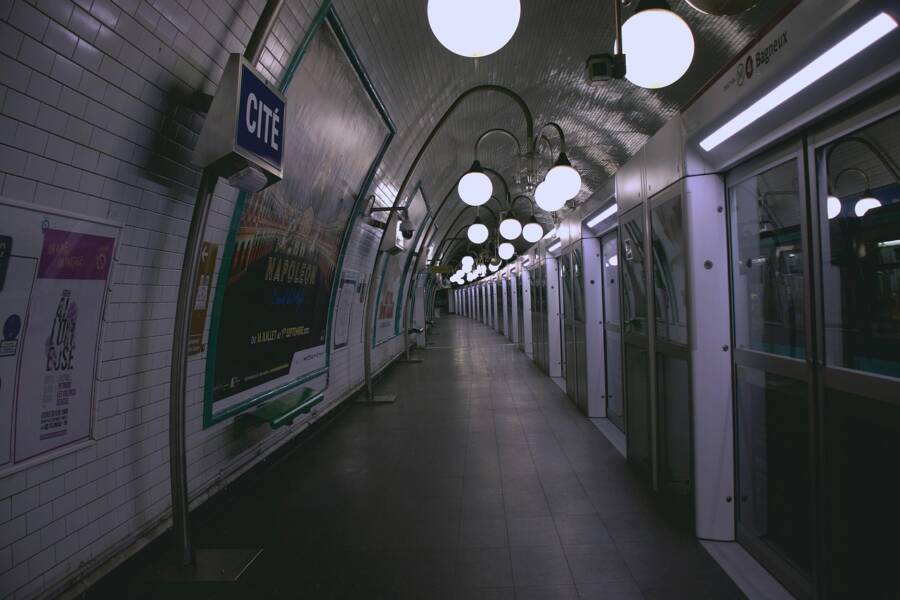
9. Stockholm – Where Art Meets Transit
Last but not least, Stockholm, Sweden, is home to one of the most beautiful metro systems in the world.
-
Network: Connects 14 islands across the city.
-
Unique feature: 94 out of 100 stations double as art galleries.
-
Cost: Starts at R$ 22 ($4.50 USD).
Even if you don’t need to get anywhere, riding Stockholm’s metro feels like visiting an art museum underground.
👉 Why it stands out: The world’s largest art gallery — inside the subway.
Conclusion: What These Cities Teach Us
From Hong Kong’s efficiency to Stockholm’s art-filled metro, these cities show us that public transportation can be so much more than just a way to get around. It can be affordable, environmentally friendly, accessible, and even inspiring.
For travelers, these cities offer a stress-free way to explore. For locals, they represent progress, inclusivity, and a higher quality of life.
So, the next time you’re planning a trip, consider not just the attractions, but also how you’ll move through the city. Because in the world’s top public transport systems, the journey is just as enjoyable as the destination.

TechnologyHQ is a platform about business insights, tech, 4IR, digital transformation, AI, Blockchain, Cybersecurity, and social media for businesses.
We manage social media groups with more than 200,000 members with almost 100% engagement.