




















The modern luxury home is a symphony of efficiency, aesthetics, and foresight. While features like custom kitchens and smart automation are standard, true architectural innovation lies in seamless functionality.
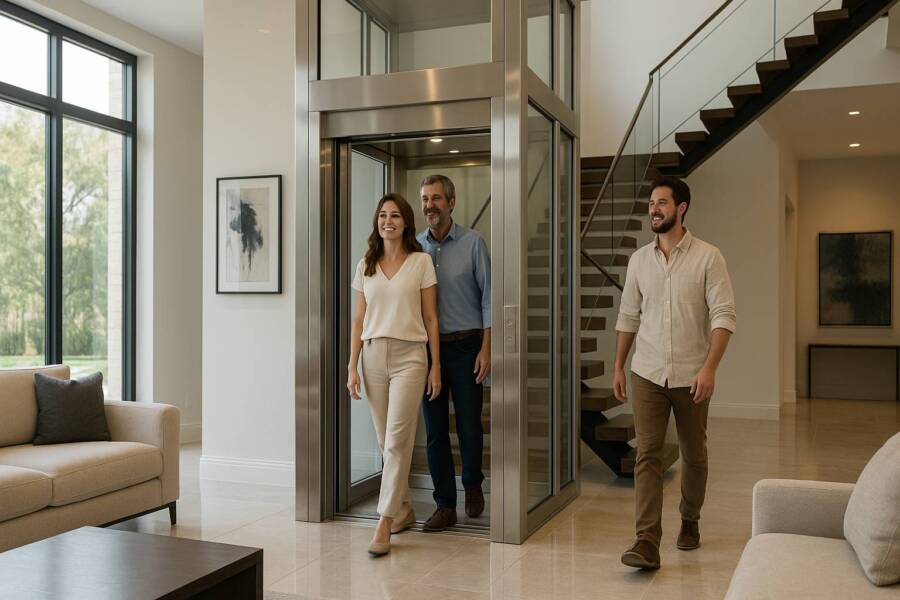
For the discerning homeowner with a lifestyle that demands effortless transitions—whether stepping off a private jet or moving between floors—the home elevator is no longer a niche extravagance but the essential vertical mobility solution. It is a feature that immediately distinguishes a property, merging high-end design with unparalleled convenience, transforming a multi-story house from a series of connected rooms into a cohesive, fluid living experience.
Elevating the Modern Home: Beyond Luxury, It’s Architectural Foresight
For decades, the residential elevator carried a stigma: either a necessity for mobility challenges or an over-the-top flourish reserved for sprawling mansions. Today, that perception is outdated. The modern home elevator is an integrated architectural element, a deliberate design choice that speaks to a holistic understanding of how a space should function over a lifetime. It is a proactive investment in future-proofing a property, ensuring the home remains accessible and enjoyable regardless of age or physical ability.
This integration of accessibility into high-end design is a core tenet of modern architecture, adhering to the fundamental universal design principles that champion environments usable by all people, to the greatest extent possible. By embedding this functionality early, homeowners maximize the utility of every floor and secure the property’s long-term resale value.
Furthermore, these systems require far less space than a full staircase, often needing only a closet-sized footprint or installing directly against a wall. This space-saving design is critical in dense, high-value real estate markets where every square foot matters. Architects and designers are leveraging this efficiency, turning once-awkward corners or underutilized closets into elegant vertical transit systems that blend technology with stunning visual appeal. Whether clad in rich wood, encased in polished metal, or constructed entirely of glass, the elevator car itself becomes a moving sculpture within the home’s core.
Choosing the Right Ascent: Types and Technology
Selecting a home elevator involves more than just picking a finish; it requires understanding the core mechanics that drive it. Different technologies cater to various structural requirements, aesthetic preferences, and budgets, offering unique advantages in terms of installation depth, noise level, and maintenance needs.
- Traditional Hydraulic Systems
These were the workhorses of residential lifts but are becoming less common in new construction. Hydraulic elevators use a piston and fluid system to lift the car. They typically require a machine room or dedicated pump cabinet and a pit depth below the lowest floor, making them best suited for homes where extensive structural modifications are feasible. They are known for smooth operation and durability, but can be slower and louder than newer alternatives.
- Machine-Room-Less (MRL) Traction Elevators
Representing the cutting edge of elevator technology, MRL systems use overhead machinery—often a gearless motor—and counterweights within the shaft. They eliminate the need for a separate machine room, making them exceptionally space-efficient and quiet. Their energy efficiency and speed make them the preferred choice for high-rise residential properties or multi-level townhouses where minimal footprint and high performance are paramount.
- Pneumatic (Vacuum) Elevators
For retrofitting into existing homes or adding to contemporary designs where a glass cylinder aesthetic is desired, pneumatic lifts are an innovative choice. They operate by creating air pressure differences above and below the car, which is housed in a clear tube. They require no pit, no machine room, and minimal structural modification, allowing them to be installed rapidly and in visually dramatic locations, such as a mezzanine or directly through a roofline. Their unique, minimalist appearance often makes them the centerpiece of the home.
The technological sophistication of these systems extends to every detail, from the programmable logic controllers that ensure precise leveling to the integrated lighting and ventilation. For the modern homeowner, this variety means the solution can be perfectly tailored to the home’s specific demands, whether the priority is speed, aesthetic integration, or minimal disruption during installation.
The Investment and Installation Roadmap
Implementing a home elevator is a complex construction project requiring careful planning, coordination between specialized contractors, and adherence to rigorous safety standards. The process typically begins with a site survey and architectural design phase to determine the best placement, which can often be adjacent to the central staircase or integrated into the garage area for convenient access with groceries or luggage.
Key steps include creating the hoistway (the vertical shaft), preparing the electrical systems, and ensuring the structural integrity of the floor openings. The complexity of these steps is the primary driver of cost, far more so than the car itself. For homeowners considering this significant upgrade, the first question is always what is the cost of a home elevator – here you go. The final price tag is a composite of the elevator type (hydraulic systems tend to be cheaper upfront than MRL or pneumatic), the number of floors served, the complexity of the installation (new construction versus retrofit), and the chosen finishes. Custom glass walls, fascinating wood paneling, and integrated smart-home control panels can significantly push the investment upward, but they solidify the elevator’s status as a luxury asset.
Crucially, installation must always adhere to strict local and national regulations. This includes the North American elevator safety standards, which govern everything from door interlocks and fire safety to emergency communication systems. Homeowners must ensure their installation team is certified and compliant, securing all necessary permits before any work begins, as safety and regulation are non-negotiable for vertical transport.
Safety, Smart Integration, and Lasting Value
Modern home elevators are equipped with an array of safety features that go far beyond simple door sensors. These include automated safety brakes that engage if the car exceeds its rated speed, emergency battery lowering systems to ensure passengers are never trapped during a power outage, and two-way communication systems that connect directly to an external monitoring service.
Beyond safety, the trend of luxury elevators is toward seamless smart home integration. Control panels can be customized to match existing smart lighting, HVAC, and security systems. Imagine pressing a button in your jet’s hangar and having your home’s security disarm, the climate control activate, and the elevator waiting on the ground floor to whisk you to the master suite—all with a single voice command. This level of personalized, intelligent functionality is what truly defines the modern luxury home.
Ultimately, installing a home elevator is an investment that pays dividends in convenience, architectural appeal, and future readiness. It is the definitive feature that transforms a house into a truly future-proof, high-performance dwelling, ensuring that the experience of living, moving, and aging in place remains effortlessly upscale and completely fluid.

TechnologyHQ is a platform about business insights, tech, 4IR, digital transformation, AI, Blockchain, Cybersecurity, and social media for businesses.
We manage social media groups with more than 200,000 members with almost 100% engagement.