






















Imagine sitting in a dentist’s chair and hearing something that sounds more like a movie plot than medical reality:
“We can regrow your missing tooth.”
No implants.
No dentures.
No drilling posts into the jawbone.
Just your own tooth… growing back.
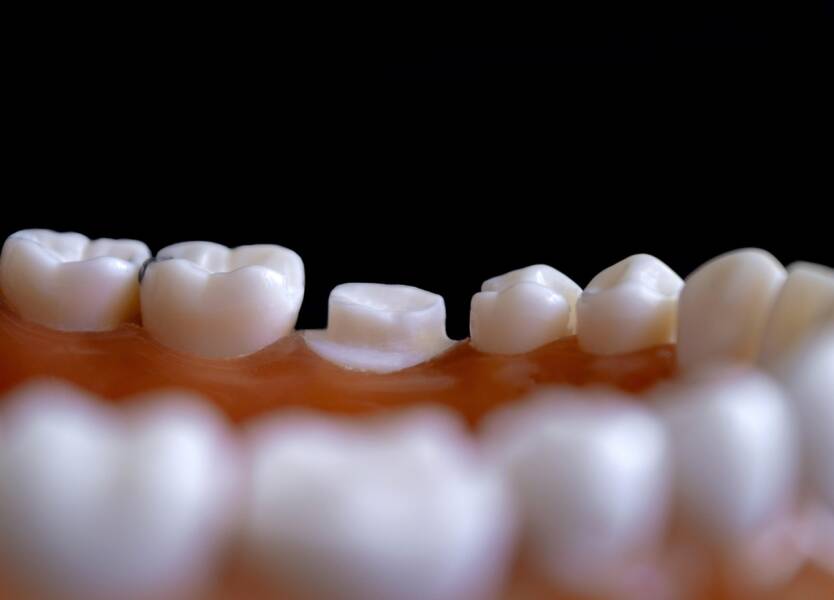
What once sounded impossible is now inching closer to reality, thanks to a groundbreaking discovery in Japan. Researchers there are developing the world’s first drug capable of regenerating real human teeth—not artificial replacements, but full biological teeth complete with roots, enamel, and function.
And if clinical trials go as planned, this treatment could become part of mainstream dentistry sooner than most people think.
Let’s break down what’s happening, how it works, and why the future of dental care might look very different from what we know today.
The Sci-Fi Dream: A Real “Third Set” of Teeth
Humans naturally grow two sets of teeth:
-
Baby teeth (primary teeth)
-
Adult teeth (permanent teeth)
After that, we’re done—or at least, we used to be.
But deep in the jaw, humans actually do have dormant “tooth buds,” tiny clusters of cells capable of forming teeth under the right conditions. They just never activate… because our biology includes a protein that prevents new tooth growth.
The Japanese drug tackles this exact issue.
How the Tooth Regrowth Drug Works (In Simple Terms)
The drug blocks a protein called USAG-1, which acts as the body’s “stop sign” for tooth production. When the protein is inhibited:
-
Tooth buds wake up
-
Growth pathways reopen
-
New teeth begin forming naturally
It’s not engineering or implants—it’s your body doing the work.
Think of it like turning on a light switch that’s been off your whole life.
From Mice to Humans: The Drug’s Early Success
Before testing anything on humans, researchers ran extensive trials on animals—and the results were nothing short of remarkable.
What the Preclinical Trials Showed
Animals treated with the drug:
-
Grew fully formed teeth
-
Developed strong enamel
-
Produced teeth with roots and complete structure
-
Showed normal chewing function
This wasn’t partial growth or malformed teeth.
It was the real thing—as if the animals were naturally growing a new tooth.
Those successes laid the foundation for human trials, which are scheduled to begin soon. If outcomes mirror the animal studies, dentistry may be heading toward a revolution unlike anything the industry has seen.
Why This Matters: The Problems With Implants and Dentures
Let’s be honest—today’s tooth replacement options are good, but far from perfect.
Dental Implants
Great, but:
-
They’re expensive
-
They require surgery
-
They can fail if the bone density is poor
-
They don’t adapt or grow with the jaw
Dentures
Functional, but:
-
They can feel unnatural
-
They shift or loosen over time
-
They don’t prevent jawbone loss
-
They don’t restore natural bite strength
Compare this to a biological tooth—alive, functional, and connected to your jaw through nerves and bone. The difference is enormous.
That’s why this new drug matters. It could replace the need for artificial solutions entirely.
Who Could Benefit From Tooth Regrowth? (Hint: Almost Everyone)
The potential uses for this treatment are enormous.
1. People Born With Missing Teeth (Tooth Agenesis)
Millions of people are born without certain adult teeth. Instead of implants at age 18, they could one day regrow the missing teeth naturally.
2. People Who Lost Teeth From Injury or Accidents
Sports injuries, falls, collisions—life happens. A regrowth drug could restore what was lost without implants or bridges.
3. People With Severe Tooth Decay
Sometimes a tooth is too damaged to save. Instead of extracting it and replacing it with an implant, dentists could stimulate the body to rebuild it.
4. People Who Want to Avoid Dentures in Old Age
Instead of removing teeth as they weaken, dentists could help patients replace them biologically.
5. Anyone Who’s Lost a Tooth—Period
Car accident? Infection? Failed root canal? Doesn’t matter.
For the first time, humans could have a way to get another chance at a real tooth.
“This Will Change Dentistry Forever” — Why Experts Are Paying Attention
Dentists, researchers, and health professionals worldwide are keeping a close eye on this drug—and for good reason.
A treatment that regenerates real teeth wouldn’t just improve smiles. It would reshape the entire dental industry:
Fewer Implants
Implants won’t disappear, but demand would drop as biological replacement becomes the preferred option.
Less Invasive Procedures
No drilling, no screws, no bone grafts. Just biology.
Better Oral Function
A natural tooth provides precise bite control, sensitivity feedback, and long-term stability—things even the best implants can’t fully match.
New Hope for Complex Cases
For patients with severe jaw issues or implant failures, this could be life-changing.
Potential for Regenerative Medicine Beyond Teeth
If we can regrow teeth, what’s next?
Cartilage? Bone? Nerves?
This research could open doors far beyond dentistry.
How Soon Could Tooth Regrowth Become Available?
This is the big question, and while timelines are never guaranteed, here’s the current outlook:
-
Animal trials: Completed successfully
-
Human safety trials: Beginning soon
-
Efficacy trials: Expected after initial safety testing
-
Projected availability in Japan: Potentially within this decade
Japan could become the first country on Earth where tooth regeneration is a standard medical treatment.
From there, international approval could follow as data accumulates.
We’re not talking 50 years away.
We’re talking within many people’s lifetimes—and possibly sooner than most think.
What Getting New Teeth Might Look Like in the Future
Let’s imagine a future dental appointment once this treatment becomes widely available.
You walk in with a missing molar.
Your dentist examines your jaw and finds that your tooth bud is still present (most are).
You receive a few doses of the tooth-regrowth drug over a set period.
Then… nature takes over.
Within months, tissue begins to form.
The bud grows into a developing tooth.
The root anchors into the jawbone.
Enamel forms.
And eventually—
you have a real, functional tooth again.
Not an implant.
Not a crown.
Your own new tooth.
It’s the kind of medical advancement that feels almost unbelievable… until you realize it’s already begun.
The Science Behind the Breakthrough (Explained Simply)
For those who want a deeper peek behind the curtain, here’s a simplified look at the mechanism.
USAG-1: The Tooth-Growth Brake Pedal
The protein USAG-1 acts like a “biological block” that suppresses tooth development after the second set of teeth emerges.
By targeting and inhibiting this protein, the drug releases this block.
Dormant Tooth Buds: The Hidden Potential
Most people—even adults—still have unused tooth buds in their jaws.
We simply don’t activate them naturally.
Growth Factors Reactivate
When USAG-1 is inhibited, natural growth signals (like BMPs) activate tooth development.
The Result: New Teeth Form From Scratch
The growth process mimics early childhood tooth development.
This isn’t artificial engineering.
It’s turning on something nature already built into our biology.
The Emotional Side: Confidence, Comfort, and Quality of Life
Let’s step away from the science for a second.
Think about the emotional impact this could have.
A missing tooth can affect:
-
Confidence
-
Speech
-
Eating
-
Smiling
-
Social interactions
-
Quality of life
-
Self-esteem
Being able to regrow a natural tooth is much more than a cosmetic upgrade.
It restores a sense of normalcy—of being whole again.
This is why so many people are excited about the potential of this treatment. It’s not just about teeth. It’s about what teeth represent.
Will This Replace Implants Completely?
Probably not—at least not right away.
There will always be cases where:
-
The jawbone is severely damaged
-
Tooth buds are missing entirely
-
Patients prefer immediate replacement instead of waiting for regrowth
But for millions of people, tooth regeneration could become the first choice—and implants the backup plan.
Think of it like Lasik vs glasses.
Glasses didn’t disappear.
But many people choose the newer option when possible.
Concerns, Questions, and What We Still Don’t Know
Even though excitement is high, there are still questions:
✔ Will the new teeth be as strong as natural adult teeth?
Animal studies suggest yes, but human data is needed.
✔ Will regrown teeth be resistant to cavities?
They should behave like natural teeth—so good hygiene will still matter.
✔ Will people be able to grow multiple new teeth over time?
Researchers believe it might be possible, but this will require more study.
✔ Will insurance cover the treatment?
Too early to know, but widespread use could normalize coverage.
Why Japan Is Leading This Breakthrough
Japan has a long history of investing heavily in regenerative medicine, and this tooth regrowth project is one of the country’s most exciting innovations yet.
With strong government support, advanced biotech facilities, and a culture of long-term scientific investment, Japan is uniquely positioned to push this treatment toward reality.
If approval is granted, Japan could become the global hub for medical tourism focused on tooth regeneration.
The Future of Dentistry Just Got a Whole Lot Brighter
It’s rare to witness a medical discovery that could rewrite an entire field.
Antibiotics did it for infection.
Vaccines did it for disease prevention.
Now, tooth regrowth could do it for dentistry.
A future where missing teeth are simply… regrown.
A future where implants are plan B instead of plan A.
A future where your smile can repair itself, naturally.
And that future isn’t centuries away.
It’s approaching fast—and Japan is leading the way.

TechnologyHQ is a platform about business insights, tech, 4IR, digital transformation, AI, Blockchain, Cybersecurity, and social media for businesses.
We manage social media groups with more than 200,000 members with almost 100% engagement.