




















Can a Car Really Run on Just Water? Myths, Science, and the Future of Driving
Imagine filling up your car’s tank not with expensive gasoline, not even with electricity, but with something you can get straight from your kitchen tap: water. Sounds like science fiction, right? For decades, there’s been a buzz around the idea of “water-powered cars.” Videos pop up online, inventors claim secret technologies, and people wonder if governments and oil companies are hiding the truth. But let’s clear the fog: is it actually possible for a car to run only on water?
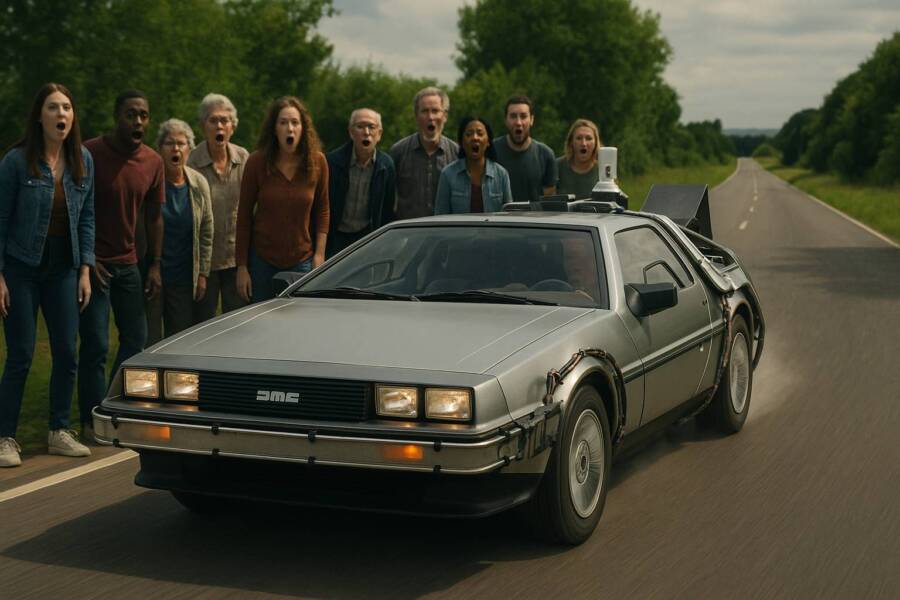
The short answer: not exactly—but water has a bigger role in the future of cars than most people think. Let’s dive into the myths, the science, and where automotive technology is really heading.
The Dream of Water-Powered Cars
The idea of cars running on water isn’t new. In fact, stories about “water-fueled engines” have circulated since the 20th century. Some inventors claimed they created engines that could split water into hydrogen and oxygen on demand, making fuel right inside the car. Conspiracy theories say that these inventors were silenced by oil companies afraid of losing profits.
It’s an exciting thought: a car that never needs gas, never pollutes, and only leaves behind a puff of steam. But here’s the catch: physics doesn’t let us cheat that easily.
Why Water Alone Won’t Work
Water (H₂O) is a very stable molecule. To use it as fuel, you’d need to split it into hydrogen and oxygen through a process called electrolysis. That requires energy. And here’s the kicker: it takes more energy to break apart water molecules than the energy you get back when burning hydrogen.
So if someone claims their car runs only on water, without any external energy source, that’s basically a perpetual motion machine—and science says those don’t exist. Energy can’t be created out of nowhere.
In other words: water is not a fuel—it’s the ashes of hydrogen. Just like you can’t burn ashes to make a fire, you can’t get energy directly from plain water.
The Hydrogen Connection
But wait—don’t give up on water yet. While water itself isn’t a fuel, hydrogen is. And water happens to be full of hydrogen.
Hydrogen is one of the most promising clean fuels in the world. When used in a hydrogen fuel cell car, hydrogen combines with oxygen from the air, producing electricity to power the motor. The only “exhaust” is water vapor.
Companies like Toyota (Mirai), Hyundai (Nexo), and Honda (Clarity Fuel Cell) already have hydrogen-powered cars on the market. The catch? These cars don’t run on tap water. They run on hydrogen that has been extracted, stored, and pumped into special tanks at fueling stations.
So while we can’t pour water into a car and expect it to drive, we can use water as the starting point to produce hydrogen fuel. Think of it as a middle step:
-
Water → Hydrogen → Car power.
So Why Not Just Use Electrolysis in the Car?
Some “garage inventors” claim they’ve built cars that split water into hydrogen and oxygen on the spot. Technically, yes, you could install a small electrolyzer in a car. But here’s the problem: you’d still need electricity to run the electrolysis. That electricity has to come from somewhere—most likely, the car’s battery or alternator.
And since the process isn’t 100% efficient, you’d always use more energy than you get back. It’s like trying to charge your phone using the phone’s own battery—it just doesn’t work.
That’s why commercial hydrogen cars use hydrogen fuel that’s been produced in large facilities using dedicated energy sources, often renewable ones like solar or wind.
The Myth of Suppressed Water Cars
If you spend time on YouTube, you’ve probably seen claims about inventors who built cars that ran on water and were mysteriously shut down. One famous story is about Stanley Meyer, who in the 1990s said he invented a “water fuel cell” car. He even drove a buggy powered by water. But when experts tested his device, they concluded it was just basic electrolysis—not a breakthrough.
Meyer was sued for fraud and lost. But after his sudden death, conspiracy theories claimed he was poisoned by oil companies. While these stories make for exciting drama, there’s no hard evidence that working water-fueled cars were ever hidden from the public.
The truth is simpler (and maybe less exciting): physics is physics, and no one has yet found a way around it.
But What About Steam Engines?
Another twist people bring up: “Didn’t old trains run on water?” Yes, but not quite in the way you think.
Steam engines used water boiled by burning coal, wood, or oil. The water itself wasn’t the fuel—it was just the medium to transfer energy. Steam turned the pistons, but the real power came from whatever was burning in the firebox.
So while water played a key role, it still wasn’t the source of energy.
Where Water Does Have a Role in the Future of Cars
Even if you can’t literally run a car on water, H₂O might still be part of the automotive future in some cool ways:
-
Hydrogen Production – Splitting water into hydrogen using renewable electricity is one of the cleanest ways to make hydrogen fuel. This is called green hydrogen.
-
Cooling Systems – Water and other coolants are essential for keeping electric car batteries at the right temperature.
-
Synthetic Fuels – Researchers are exploring ways to combine hydrogen (from water) with carbon dioxide to create synthetic gasoline or diesel, which could work in today’s cars but with lower emissions.
So even if water isn’t poured into your tank directly, it still plays a starring role behind the scenes.
Cars That Claim to Run on Water: A Closer Look
Every few years, a viral video pops up of someone showing off a car “running on water.” Usually, these setups fall into one of two categories:
-
Hydrogen boosters: small devices that use electrolysis to add a little hydrogen to the fuel-air mix in the engine. This can slightly improve combustion, but it doesn’t replace gasoline.
-
Outright scams: devices sold online claiming to turn your car into a water-powered machine. These don’t actually work as advertised.
If it sounds too good to be true, it probably is. Real car companies with billions in R&D budgets would have already jumped on a working water engine if it existed.
The Real Future of Clean Cars
So if not water, what is the future of driving? Right now, the competition is between:
-
Electric Cars (EVs) – Powered by batteries charged from the grid. Tesla, BYD, Ford, VW, and almost every automaker is pushing this.
-
Hydrogen Fuel Cell Cars – Powered by hydrogen, with water as the only exhaust. Still rare, but promising for heavy trucks and buses.
-
Hybrid Solutions – Some experts think a mix of batteries and hydrogen might balance things out.
Water may not be the magical fuel we dreamed of, but it’s still part of the story—especially if hydrogen takes off.
Final Thoughts: So, Can a Car Run Only on Water?
The casual, honest answer: No, you can’t just pour tap water into your car and drive away. Science doesn’t allow it. But water isn’t out of the picture—it’s the gateway to hydrogen, which might fuel the clean cars of tomorrow.
So next time you see a headline screaming “Water Car Invention Hidden by Oil Companies,” you’ll know the truth: it’s not about secret plots, it’s about physics. But the dream of driving clean, affordable, and sustainable cars? That’s very real—and water just might help us get there.
Key Takeaways
-
Water itself isn’t a fuel—it’s too stable.
-
Hydrogen (inside water) is a powerful fuel when separated.
-
Hydrogen cars exist today, but they don’t run on water directly.
-
Conspiracy theories about “water cars” are more myth than reality.
-
The future of driving may still depend on what we can pull out of good old H₂O.
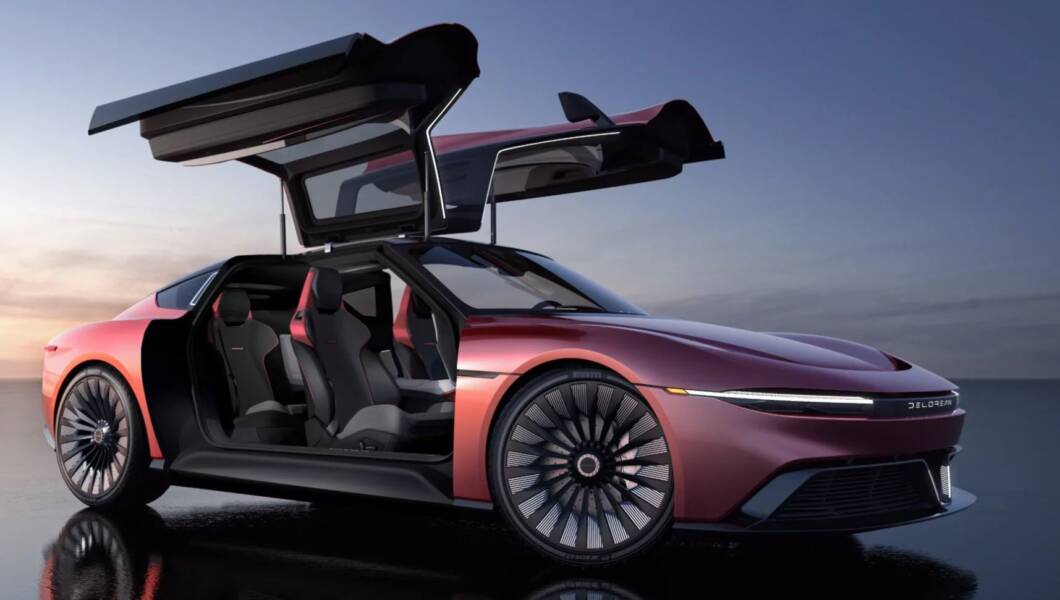
Would you drive a hydrogen-powered car if it were affordable? Drop your thoughts in the comments!

TechnologyHQ is a platform about business insights, tech, 4IR, digital transformation, AI, Blockchain, Cybersecurity, and social media for businesses.
We manage social media groups with more than 200,000 members with almost 100% engagement.