




















If your feed has ever made it look like every electric car is one spark away from a viral inferno, you’re not alone. But headlines ≠ reality. In this guide, we’ll cut through the noise with up-to-date data, plain-English safety advice, and a practical charging checklist you can actually use. You’ll learn whether EVs are “dangerous,” what specific risks to watch for, and exactly how to charge at home and in public—confidently and safely.
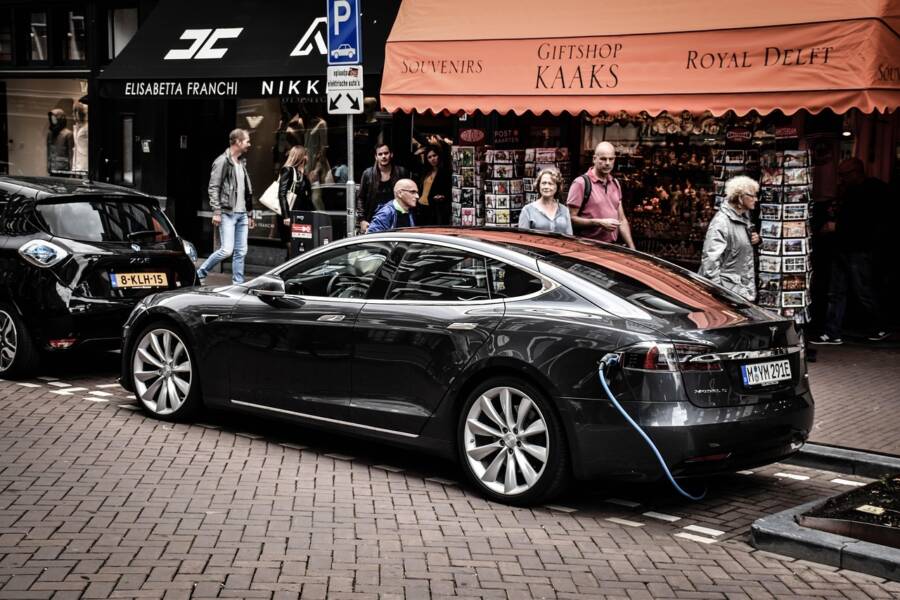
TL;DR: Today’s EVs must meet the same crash and electrical safety standards as any modern car, and multiple datasets indicate they catch fire far less often than gasoline vehicles. When EV battery fires do happen, they behave differently and are harder to extinguish—so prevention and good charging habits matter.
Quick answers first
-
Are electric cars more likely to catch fire?
Current evidence suggests no; EVs appear less likely to catch fire than gasoline cars. Multiple sources (including IIHS roundups and Swedish/other European datasets) point to lower fire incidence for EVs, even as the overall EV fleet grows. -
So why the scary news stories?
EV battery fires are unusual but dramatic. They can burn hotter, take longer to extinguish, and sometimes reignite—making them memorable and highly reportable. -
Are EVs safe in a crash?
EVs are required to meet the same crash standards as other vehicles, and many score top safety ratings. New IIHS crash tests show strong driver protection across multiple EVs, though back-seat protection varies by model.
Let’s separate myth from fact
Myth 1: “EVs catch fire all the time.”
Fact: On a per-vehicle basis, available comparisons show fewer fires in EVs than in gasoline vehicles. Sweden’s public data and independent roundups find combustion cars far more likely to catch fire; similar conclusions appear in broader syntheses. Data quality and definitions vary by country, but the trend is consistent.
Myth 2: “Charging at home is risky.”
Fact: When you use certified equipment, follow manufacturer instructions, and have installations done to code, home charging is routine and safe—no more “exciting” than running an electric oven. U.S. DOE and EPA guidance underline code-compliant installations and proper EVSE (charging equipment) usage.
Myth 3: “EVs are unsafe in crashes because of the battery.”
Fact: EVs must meet the same crash standards as other cars. IIHS testing shows strong crash performance across many EVs; concerns today focus more on vehicle weight affecting other road users, not on battery integrity per se.
What actually causes EV fire risk—and how to reduce it
EV battery fires typically stem from thermal runaway—a chain reaction inside lithium-ion cells triggered by physical damage, manufacturing defects, or abusive conditions (severe overheating, improper charging, or deep water intrusion). While rare, they’re intense. Good news: modern battery packs include multiple layers of protection, and you can stack the odds even further in your favor with smart habits.
Your prevention playbook (everyday owner edition)
-
Use certified charging equipment.
Look for units listed by a recognized testing lab (e.g., UL) and installed to local electrical code. Pull permits where required. -
Follow the manufacturer’s instructions—no DIY experiments.
Read the EV and charger manuals. Don’t bypass safety features or “hack” charging limits. -
Avoid extension cords and adapters.
They add resistance and heat. Plug the EVSE directly into a properly rated outlet or hardwired circuit. -
Inspect cables and connectors.
If you see fraying, discoloration, melting, or cracked housings, stop using the equipment and replace it. -
Keep the charging area clear.
Don’t store flammables near your charger. Keep cords out of foot traffic and away from pets/kids. -
Be weather-smart.
For outdoor setups, use equipment rated for the environment and protect connectors from standing water. -
Update software.
Automakers regularly release battery and charging-related updates. Some recalls have addressed specific battery risks—software can help monitor or mitigate issues.
Step-by-step: safe home charging (Level 1 & Level 2)
Before installation
-
Pick the right EVSE: Choose a charger rated for your circuit (e.g., 16–48A for Level 2) and certified by a recognized lab.
-
Hire a qualified electrician: Have them verify panel capacity, wire gauge, breaker size, GFCI requirements, bonding/grounding, and surge protection.
-
Pull permits if required: This protects you and your insurance coverage.
During installation
-
Dedicated circuit: Don’t share the EVSE circuit with other loads.
-
Proper mounting & ventilation: Follow the EVSE manual for clearances and anchoring.
-
Labeling & testing: Your installer should label the breaker, test GFCI/ground fault functionality, and confirm charging handshake works.
Daily use
-
Connect clean, dry: Inspect the connector; avoid grit or moisture in the port.
-
Check for heat: The handle should be only mildly warm, never hot. If it’s hot, stop and have it inspected.
-
Cable care: Coil loosely; avoid tight bends or crush points.
-
Charging schedule: Off-peak charging reduces strain on local grids and can save money. Many EVs let you set charge windows and limits.
Pro tips for battery health
-
Everyday target: 70–90% is a common daily limit; save 100% for trips.
-
Avoid chronic 0–100% cycles: Shallow cycling is gentler on cells.
-
Keep it cool: High ambient temperatures accelerate degradation; shaded or indoor parking helps.
(Your vehicle app typically provides recommended settings.)
Public charging safety (fast chargers included)
-
Use reputable networks and equipment that looks intact. If a connector is damaged, find another stall.
-
Mind cable tension. Don’t let heavy DC fast-charge cables dangle or torque the port.
-
Follow on-screen instructions. Many DC chargers precondition your battery; let the system manage rate and taper.
-
Unplug properly. Stop the session in the app or on the charger before removing the connector.
-
Share the space. Move when you’re done—help prevent clogged sites and frustrated neighbors.
(For a simple primer on charger types/speeds, see the U.S. DOT explainer.) transportation.gov
What emergency responders worry about—and why you shouldn’t panic
Fire services train for EV incidents because battery fires behave differently (high heat, potential reignition). That doesn’t make EVs inherently more dangerous day-to-day; it just means responders need different tactics. Agencies and safety groups (NFPA, OSHA) publish handling and response guidance, and manufacturers provide vehicle-specific emergency response guides.
If you’re ever involved in a crash or submersion event:
-
Exit and call emergency services.
-
Do not touch damaged high-voltage components or orange cables.
-
If smoke/steam from the battery area appears, move upwind and keep distance.
-
After a severe impact or deep-water exposure, don’t attempt to drive. Have the vehicle towed per the automaker’s guidance.
(NHTSA’s position for years has been that EVs do not present a greater post-crash fire risk than gasoline vehicles.)
The nuance: where risks do increase
-
Shoddy hardware or installs. Off-brand chargers without third-party certification, homemade adapters, and “creative” wiring are common denominators in many charging incidents. Follow NFPA’s home-charging tips and stick with certified gear.
-
Improper storage/charging indoors—especially for light EVs (e-bikes/scooters). Fire services in the UK and elsewhere report a spike in e-bike/e-scooter fires, often tied to modified batteries and indoor charging in hallways/bedrooms. While that’s a different vehicle class, the lesson carries over: use compliant batteries/chargers and charge in safe locations.
-
Product-specific defects. As with any car, occasional recalls happen (including high-profile EV battery recalls). Keep your software and service bulletins current.
-
Vehicle weight. Many EVs are heavier due to batteries. That’s great for your occupant protection but raises broader road-safety questions for others in some crash scenarios; regulators and test bodies are watching.
Frequently asked questions
1) Can I charge in the rain?
Yes—with the right equipment. EVSE and connectors are designed to handle typical weather. Avoid standing water and keep ports clean and dry. Follow your charger’s IP/weather rating guidance.
2) Is fast charging bad for my battery?
Occasional DC fast charging is fine; frequent high-rate charging can increase long-term degradation. Your car manages temperature and charge rates automatically. For daily use, Level 2 at home is gentler. (See DOE/EPA basics.)
3) How can I tell if my charger is safe?
Look for a certification mark (e.g., UL), an intact cable and connector, and a solid mount. Avoid extension cords or “cheater” adapters. If anything runs hot, stop and have it inspected. (NFPA tip sheet has a simple checklist.)
4) What should I do after a major crash?
Exit, call emergency services, keep distance if you smell smoke or see unusual heating near the battery area, and follow tow/transport guidance in your manual. NHTSA
Your no-nonsense EV charging safety checklist
Every month
-
Glance over cords/connectors for nicks, abrasion, or heat damage.
-
Ensure your EVSE is firmly mounted and dry; check cable strain reliefs.
-
Test GFCI/ground-fault functionality if your unit supports it.
Every drive
-
Plug/unplug straight—no twisting leverage on the port.
-
Avoid running the cable under tires/doors.
-
Keep the connector off the ground; use the holster.
Every season
-
Heat waves: Consider dialing back charge limits or timing to cooler hours; heat accelerates battery stress.
-
Storms: Use properly grounded circuits; surge protection is wise for any major appliance.
-
Freezing weather: Precondition before departure; let the car manage temps before fast charging.
What regulators and safety bodies are doing
-
Standards & testing: Regulators worldwide continue to refine battery safety standards (impact, puncture, thermal tests). For example, China announced stricter battery safety rules to reduce fire/explosion risk, including more rigorous crash and fast-charge tolerance tests—one example of continuous tightening globally.
-
Public guidance: NFPA, OSHA, and government energy/environment agencies publish owner-friendly checklists and training resources.
-
Crash & fire data: IIHS and other research bodies keep evaluating EV crash safety and real-world insurance outcomes, and European agencies collect fire-incident statistics that help inform best practices.
Bottom line: Are electric cars “dangerous”?
All cars carry some risk—there’s high energy moving on four wheels. But today’s evidence indicates EVs are at least as safe, and often safer, than gasoline cars for fires and occupant protection. Your best defense is boring: buy certified equipment, install to code, follow the manual, keep software current, and charge with care. That’s it.

TechnologyHQ is a platform about business insights, tech, 4IR, digital transformation, AI, Blockchain, Cybersecurity, and social media for businesses.
We manage social media groups with more than 200,000 members with almost 100% engagement.