






















Running a small business is an exhilarating journey, filled with both opportunities for growth and unexpected challenges that test your resilience and resourcefulness. Small business owners juggle numerous responsibilities, from daily operations to visionary planning; yet, one area that should never be neglected is risk management. Shielding your hard-earned assets from the financial fallout of lawsuits, accidents, or evolving cyber threats is essential for long-term success. Securing comprehensive general liability insurance coverage is often the foundation of a robust protection plan, providing a safety net when the unexpected occurs and letting you focus confidently on driving your business forward.
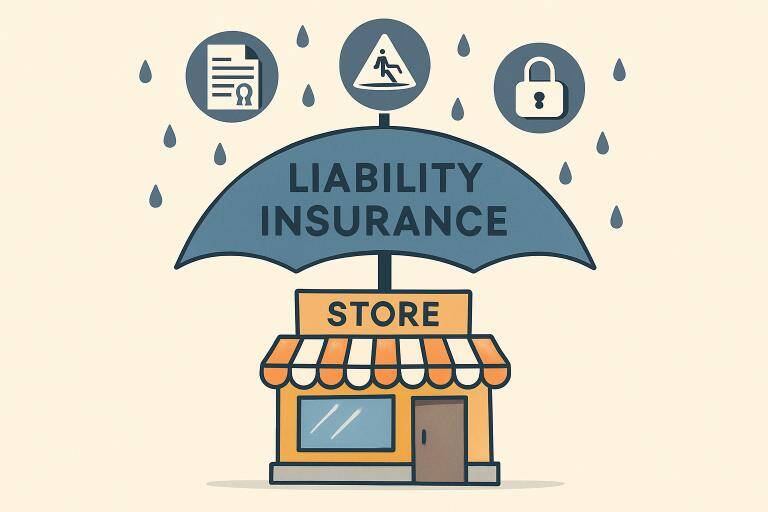
Without adequate insurance, even one unfortunate incident—such as a customer injury in your store, a professional error that goes unnoticed, or a data breach—could rapidly become catastrophic, putting jobs, reputation, and even the survival of your business at risk. By understanding and investing in specialized liability coverage, small business owners can transform life-changing risks into manageable setbacks. The right protection arms you with peace of mind, empowering you to grow your business with the confidence that you’re ready for whatever challenges may arise.
Understanding General Liability Insurance
General liability insurance stands as the cornerstone of risk management for most small businesses. This all-important coverage serves to shield business owners from a wide spectrum of common claims, including bodily injury, property damage, and personal injury such as libel, slander, or copyright infringement, that may arise from day-to-day business activities. For instance, if a client slips on a wet floor or trips on a loose tile in your premises and suffers injury, your general liability policy can assist in covering not just medical costs but also any resulting legal fees, settlements, and court-awarded damages.
Despite its importance, a recent 2023 survey highlights a concerning trend: nearly 75% of small businesses are underinsured or maintain coverage that contains significant gaps, leaving them wide open to risks that could otherwise be mitigated. This means that a substantial portion of small businesses lacks the resources to effectively weather unexpected claims or costly lawsuits. Modern business environments require a proactive stance: keeping this crucial coverage up to date provides critical defense against the financial strain caused by both legitimate and, at times, frivolous legal actions.
Professional Liability Insurance: A Must for Service Providers
Not all business risk comes in the form of slip-and-fall accidents; often, claims are sparked by the services and advice a business provides. Professional liability insurance, also known as errors and omissions (E&O) insurance, steps in to cover claims alleging negligence, misrepresentation, or failure to deliver a service as promised. If you’re a consultant, architect, real estate agent, or any professional advisor, clients unhappy with a perceived or actual error can sue for damages. This insurance fills the gap left by your general liability policy, covering the costs associated with defending your reputation and business.
Worryingly, a 2025 industry report reveals that just 31% of small businesses currently hold professional liability coverage. That figure stands in sharp contrast to the real and rising number of lawsuits targeting service providers for alleged mistakes or oversights. Legal expenses and potential settlements in these cases can run into the tens or even hundreds of thousands of dollars, often far exceeding the typical small business’s reserves.
Workers’ Compensation: Protecting Your Team
Employees serve as the heart and soul of your small business, making their safety and well-being paramount. Workers’ compensation insurance protects your team by covering medical expenses, rehabilitation, and lost wages if they’re injured or become ill on the job, regardless of fault. In most states, carrying workers’ compensation insurance is a legal requirement the moment you hire your first employee. This ensures you’re adhering to regulations while also maintaining the trust and morale of your workforce.
Nonetheless, data from 2025 shows that only 49% of small businesses have secured workers’ compensation, leaving over half vulnerable to penalties, lawsuits, and breakdowns in employee relations. Foregoing this coverage not only risks legal ramifications, such as punitive fines and costly legal defense, but also signals a lack of regard for employees’ welfare—a reputation no business wants. Proper coverage demonstrates your commitment to people first while also providing vital peace of mind to both you and your staff.
Cyber Liability Insurance: A Modern Necessity
The shift toward digital operations and e-commerce brings unprecedented opportunities for growth but also an expanded set of vulnerabilities. Data breaches, hacking incidents, and ransomware attacks can cripple small businesses, often resulting in regulatory fines, steep reputational costs, and overwhelming recovery expenses. Cyber liability insurance provides essential protection in this landscape, covering costs such as breach notifications to affected clients, IT forensics, data recovery, business interruption, and even potential legal defense and liability settlements.
Despite the clear and growing threat—especially as small businesses are increasingly targeted for their perceived weaker defenses—research in 2025 reveals just 27% of small businesses have a cyber liability policy. Without this key coverage, a significant breach can not only devastate finances but also erode customer trust and result in irreversible brand damage. Regardless of the industry, every small business must assess its cyber risks and consider a dedicated policy to protect its digital operations.
Regular Policy Reviews: Keeping Coverage Current
Securing insurance is not a one-and-done event. As your business changes—whether by expanding product lines, hiring additional employees, opening a new location, or launching digital operations—your insurance needs often evolve in tandem. Regular reviews of your coverage ensure your protection keeps pace with the growth and transformation of your business, helping to close gaps before they become costly exposures.
Unfortunately, 39% of small businesses have never updated their general liability policies since their initial purchase, leaving them potentially exposed to liabilities resulting from new risks and changing circumstances. Failing to keep policies up to date can result in denied claims, uncovered losses, or compliance issues. The best defenders of your business are policies that grow with you. Take the initiative to schedule annual insurance reviews and adjust your coverage as your operations evolve.
Conclusion
The risk landscape for small businesses is dynamic and complex, encompassing a range of risks from slip-and-fall accidents and professional mistakes to workplace injuries and sophisticated cyberattacks. Investing in a comprehensive set of protections—including general liability insurance, professional liability, workers’ compensation, and cyber insurance—is instrumental in preserving your business’s financial health and securing its future. Just as crucial is the habit of regularly reassessing your insurance portfolio to ensure every potential risk is covered as your business grows, pivots, or embraces new opportunities. By proactively protecting your business, you position yourself for continued resilience, compliance, and long-term success.

TechnologyHQ is a platform about business insights, tech, 4IR, digital transformation, AI, Blockchain, Cybersecurity, and social media for businesses.
We manage social media groups with more than 200,000 members with almost 100% engagement.