






















Have you ever wondered what happens inside your body when you decide to stop drinking alcohol — even for a short stretch? Whether you’re giving up alcohol for a month, trying a “dry week” challenge, or simply curious about giving your body a reset, your liver is one of the biggest beneficiaries of the decision. The good news: your liver is a remarkably resilient organ. The tough news: the repair process has its limits.
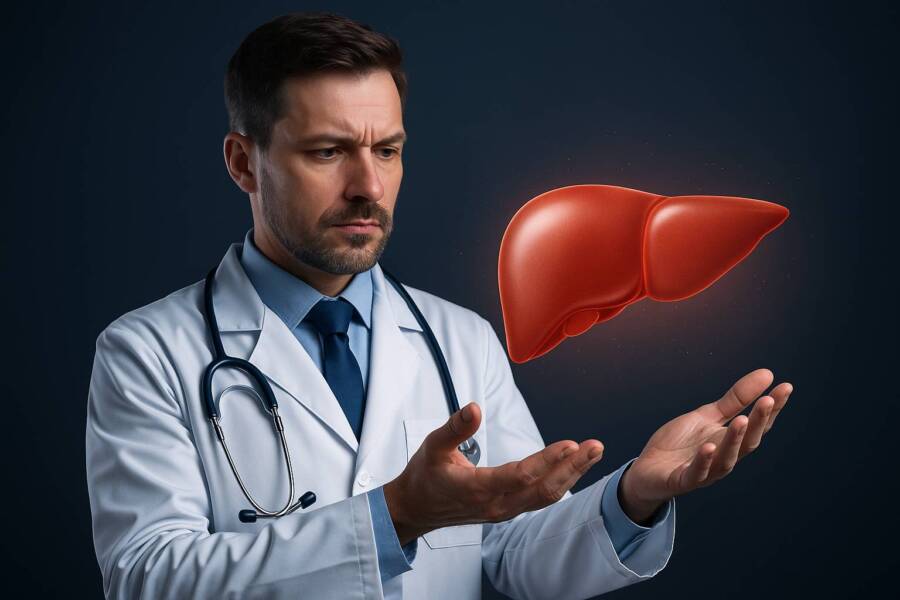
In this article, we’ll walk you through what happens to your liver at key milestones after alcohol cessation — approximately at 24 hours, 7 days and 30 days. We’ll also dive into the science behind the changes, share tips to support your liver during recovery, and explore what happens if you keep drinking despite the damage. If you’re interested in turning off “damage mode” and letting your liver catch up, keep reading.
Why the liver takes the hit when you drink
Before we dive into the timeline, it helps to know why your liver bears the brunt of alcohol. The liver is the body’s main filter and chemical processing unit: it handles toxins, metabolises nutrients, stores energy, regulates fats, and makes bile. When you drink alcohol, around 90 % of the ethanol is absorbed via the stomach and intestines, then passes via the portal vein directly to your liver.
There, a set of enzymes break down ethanol into acetaldehyde (which is more toxic) and then into acetate, which can be used or discarded. But in doing so, the liver uses up resources, becomes stressed, accumulates metabolic by-products, and eventually may accumulate fat, inflammation or even scar tissue.
That means when you stop drinking, your liver finally gets a chance to switch focus — from damage control back to normal maintenance. The timeline for this repair is what we’ll explore next.
At about 24 hours alcohol-free: The “reset” begins
Right after you stop drinking — say you finish your last drink, go to sleep, and wake up sober — your liver already begins a subtle but meaningful shift.
What’s happening:
-
The liver begins to reduce the immediate burden of processing new alcohol. That lets its metabolic machinery ease off full-tilt and begin beginning repair mode.
-
Fat build-up (called “steatosis” or fatty liver) may start to slow. While you won’t see dramatic changes yet, the halt in new damage gives the liver a chance to recover.
-
Some subjective improvements may show up: better sleep, improved hydration, less sluggish feeling. These may not all be liver-specific, but they are often reported.
Why it matters:
Even if you only go one day without alcohol, you’re giving your liver a break — and in the long run, many small breaks combine into big differences. The body doesn’t always advertise the changes loudly (you may not feel “better” yet), but the internal shift is underway.
Tip to support your liver at 24 hours:
-
Stay hydrated: water helps the liver filter waste and toxins.
-
Avoid high-fat, heavily processed meals. Give your liver “cleaner” fuel.
-
Consider a good night’s rest — sleep gives the liver time to rebuild.
-
Avoid adding other toxins (like excess acetaminophen/paracetamol or heavy meals). Let the liver focus on just “normal” work.
After about 7 days alcohol-free: The “visible shift”
If you make it a full week without alcohol, that’s a strong signal. By this point, more measurable changes may be taking place in your liver and your body as a whole.
What’s happening:
-
Studies show inflammation in the liver begins to reduce. If you had swelling or cells stressed by alcohol processing, some of that repair starts to show.
-
Fat accumulation (the early stage of fatty liver) is often reversible; after a week of abstinence, the liver’s fat-clearing mechanisms start working again.
-
Enzyme levels (which indicate liver stress) may begin to drop (though full normalisation takes longer). Some test results may already improve.
-
You’ll likely feel better: more energy, clearer mind, better sleep quality. These aren’t only about the liver, but they reflect the body shifting out of “toxin-handling” mode.
Why it matters:
By day seven you’re no longer just “paused drinking” — you’re actively allowing your liver to reverse damage. The “buffer” you create for your body starts paying dividends.
Tips to support your liver at 7 days:
-
Continue good hydration and healthy eating — emphasising whole foods, vegetables, lean proteins.
-
Add moderate exercise (if you’re cleared to) — movement can improve circulation and liver function indirectly.
-
sleep matters: aim for consistency, aims to reduce stress hormones that can otherwise burden liver repair.
-
Even if you feel “fine”, avoid slipping back into drinking — the five-, seven-day mark is often when people rationalize going back. Stay committed to your week-one win.
At about 30 days alcohol-free: The “big rebound”
Now we’re talking about one full month without alcohol — a milestone. This is where many of the repair mechanisms have had time to work, and the liver begins to show more significant recovery.
What’s happening:
-
Liver enzyme levels (ALT, AST etc) – in many people these begin to approach normal ranges. This indicates less ongoing cell damage.
-
The fatty accumulation in the liver (steatosis) may significantly decline. The liver’s fat-clearing and metabolic regulation improve.
-
Improved insulin sensitivity and glucose metabolism: because the liver is less burdened, its ability to regulate sugars and fats improves.
-
Lower risk of advancing to more serious liver conditions (if you remain abstinent) — cutting off the chain of damage is a major step.
-
Overall body benefits: better skin tone, improved blood pressure, better mood and sleep. Many people report feeling several “levels up” compared to drinking days.
Why it matters:
A month without alcohol is not just symbolic — it gives your liver a real chance to bounce back. The longer you remain alcohol-free, the more likely your liver can restore function. Of course, how much damage you had pre-abstinence matters significantly.
Tips for your 30-day mark and beyond:
-
Get a full health check (if appropriate) — see how your liver enzymes are, talk to your doctor about continuing abstinence.
-
Maintain healthy habits: hydration, diet rich in vegetables/fruit/fibre, moderate exercise.
-
Consider reducing alcohol long-term or adopting regular “dry days” each week. The benefits compound.
-
Stay aware of relapse risk: after 30 days many revert unless they build sustainable habits and mindset shifts.
What if you go back to drinking (or never stop)?
It’s one thing to stop drinking and let the liver recover; it’s another to keep drinking and push the organ further into damage. Let’s look at what happens when the cycle continues.
Fatty liver → Inflammation → Fibrosis → Cirrhosis
-
The first stage: steatosis (fat accumulating in the liver cells) — often silent, reversible if caught early.
-
Next: alcoholic hepatitis (inflammation of the liver) — this can cause symptoms like pain, swelling, fatigue.
-
Then: fibrosis (scar tissue building up) — the liver’s healing process starts leaving permanent marks.
-
Finally: cirrhosis — extensive scarring, loss of liver function, potentially liver failure or cancer risk.
If you keep drinking, you may push your liver into a stage where even abstinence won’t fully reverse damage. According to experts, while the liver can regenerate to some degree, once a large portion of the tissue is scarred the recovery is limited.
Key takeaway: The earlier you intervene (by stopping or severely reducing alcohol), the better the odds of a strong recovery.
Real-life considerations & variables
Of course, every person’s body is different. Here are some important variables that affect how quickly (and how well) your liver recovers:
-
Amount and length of past alcohol use: Heavy, long-term drinking causes more damage and takes longer to repair.
-
Body weight, diet, metabolic health: If you already have a fatty liver from obesity or poor diet, the additional burden of alcohol may complicate recovery.
-
Genetics & gender: Women tend to have less alcohol-dehydrogenase activity and can be more vulnerable to damage. Genetic predispositions for liver disease also matter.
-
Other health conditions: If you have hepatitis, diabetes, high cholesterol or other metabolic issues, liver repair is more complex.
-
Lifestyle and nutrition during abstinence: Simply stopping alcohol helps — but combining that with healthy lifestyle changes delivers bigger benefits.
-
Abstinence vs “moderation”: Some people stop completely; others cut back. The safer option for liver health is full abstinence or very low use. Some research indicates even “moderate” drinking carries risk.
How to support your liver beyond abstinence
Stopping the alcohol is a huge first step — but you can amplify your liver’s recovery by incorporating the following habits:
-
Hydrate smartly: Water helps flush metabolites; aim for 2 – 3 litres a day (depending on your body size/activity level).
-
Eat liver-friendly foods: Vegetables (especially leafy greens, cruciferous veggies), lean proteins, high fibre, healthy fats (olive oil, avocado, nuts). Avoid excessive processed food, sugar and trans fats.
-
Maintain a healthy weight: Reducing belly fat helps the liver reduce fat accumulation and inflammation.
-
Exercise regularly: Even moderate activity (30 mins/day) improves circulation, reduces liver fat, supports insulin sensitivity.
-
Avoid additional liver toxins: Some medications (especially when combined with alcohol) stress the liver; always follow guidance on over-the-counter meds.
-
Get adequate sleep: Sleep is a crucial repair period for your body and liver.
-
Consider periodic “dry” phases: If full abstinence isn’t your goal, make sure you have regular alcohol-free days each week (for liver rest).
-
Monitor your health: Consider liver-function tests if you have a history of heavy drinking or metabolic issues.
Myths & FAQs
Myth: Your liver will go back to brand-new no matter how much damage you’ve done.
Reality: The liver can regenerate quite well, especially early on, but once significant scar tissue (cirrhosis) has set in, full recovery is unlikely.
Myth: A single day of abstinence does nothing.
Reality: Even a single day gives your liver relief — the repair starts silently. The bigger gains come with sustained abstinence, but day one matters.
FAQ: Can I “detox” my liver with special supplements?
There’s no magic pill. The most effective “detox” is abstinence + hydration + healthy lifestyle. Many so-called liver-detox supplements are unregulated and not proven.
FAQ: If I only drink moderately, do I still need to worry?
Yes and no. “Moderate” drinking is safer than heavy drinking, but current research indicates that no level of alcohol consumption is completely risk-free, especially for the liver and for cancer risk.
FAQ: How long before I can get a full recovery?
It depends heavily on your history. Some people see major improvements in a month; full normalisation may take months (and may not happen if damage is advanced). The earlier you stop, the better.
Final thoughts
Deciding to stop or significantly reduce alcohol consumption is one of the best things you can do for your liver — and for your overall health. Within 24 hours, your liver begins to shift from damage-control to repair mode. By 7 days, measurable improvements are underway. By 30 days, the rebound is real — reduced fat in the liver, better enzyme levels, improved metabolism, and a healthier you.
But here’s the kicker: while the liver is forgiving, it isn’t infinitely so. Letting damage accumulate for years and then expecting a full restoration may not be realistic. The most powerful action is early action. Whether you aim for a full abstinence month challenge or a long-term lifestyle shift, giving your liver a break is a win.
If you’re reading this and thinking “maybe it’s time,” know this: your liver is ready when you are. Don’t wait for a crisis. Start with one day, then one week, then one month — your body will thank you.

TechnologyHQ is a platform about business insights, tech, 4IR, digital transformation, AI, Blockchain, Cybersecurity, and social media for businesses.
We manage social media groups with more than 200,000 members with almost 100% engagement.