



















The aesthetic industry has entered one of its most exciting eras. What once relied on traditional cosmetic procedures has evolved into a world powered by artificial intelligence, regenerative medicine, robotics, and highly personalized treatments.
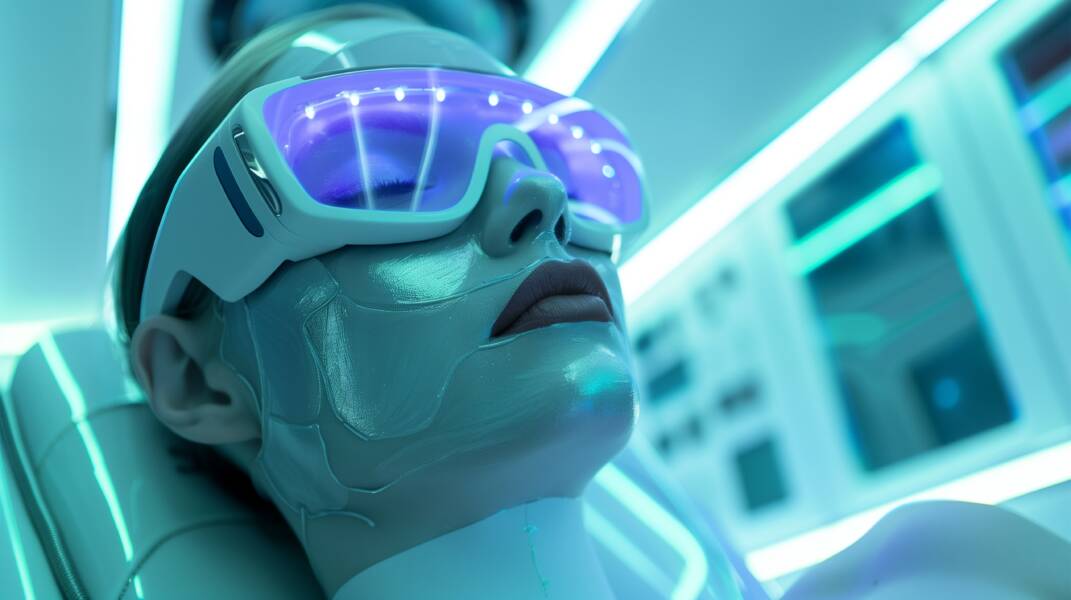
Today’s patients are looking for more than just quick cosmetic fixes. They want natural-looking results, shorter recovery times, safer procedures, and treatments specifically tailored to their skin, genetics, and lifestyle.
Thanks to rapid advances in medical technology, achieving these goals has become more realistic than ever.
Whether you’re considering aesthetic treatments or simply curious about the future of beauty, here’s a look at the most innovative technologies redefining the industry in 2026.
1. Artificial Intelligence Is Personalizing Every Treatment
Artificial intelligence has become one of the biggest breakthroughs in aesthetic medicine.
Modern AI systems can analyze thousands of facial points in seconds, evaluating skin quality, wrinkles, pigmentation, hydration, facial symmetry, and even predicting how the aging process may evolve.
Instead of relying solely on visual assessments, practitioners now receive detailed data that helps create customized treatment plans with greater precision.
Patients also benefit from realistic treatment simulations before deciding on a procedure, making consultations more transparent and helping set accurate expectations.
2. 3D Facial Mapping Creates Better Results
Three-dimensional facial scanning has become standard in many advanced aesthetic clinics.
Using sophisticated cameras and software, providers create an exact digital replica of the patient’s face.
This technology allows practitioners to:
- Measure facial symmetry
- Analyze facial volume
- Compare before-and-after results
- Plan injectable treatments more accurately
- Avoid overcorrection
For patients seeking natural enhancements, 3D mapping significantly improves treatment planning.
3. Regenerative Medicine Is Changing Anti-Aging
One of the fastest-growing fields in aesthetics is regenerative medicine.
Rather than simply hiding signs of aging, regenerative treatments encourage the body to repair itself naturally.
Popular regenerative therapies include:
- Platelet-rich plasma (PRP)
- Platelet-rich fibrin (PRF)
- Exosome therapy
- Stem-cell research
- Bio-stimulating injectables
These treatments stimulate collagen production, improve skin quality, enhance elasticity, and promote healthier tissue over time.
The focus has shifted from “filling wrinkles” to rebuilding youthful skin from within.
4. Exosome Therapy Is Becoming a Game Changer
Exosomes are microscopic extracellular vesicles that carry proteins, growth factors, and genetic signals between cells.
In aesthetics, they are increasingly being used after procedures such as microneedling, laser resurfacing, and radiofrequency treatments.
Potential benefits include:
- Faster healing
- Reduced inflammation
- Increased collagen production
- Improved skin texture
- Better overall rejuvenation
Although research continues, exosome therapy is rapidly becoming one of the industry’s most promising technologies.
5. Next-Generation Laser Systems
Laser technology has improved dramatically over the last few years.
Modern laser platforms are smarter, faster, and much safer for different skin types.
Today’s systems can treat:
- Acne scars
- Fine lines
- Wrinkles
- Sun damage
- Pigmentation
- Tattoo removal
- Rosacea
- Skin tightening
Many devices automatically adjust their energy settings according to skin tone, reducing the risk of complications while improving treatment precision.
6. Radiofrequency Microneedling Continues to Grow
Radiofrequency microneedling combines two highly effective technologies:
- Controlled microneedling
- Radiofrequency energy
Together, they stimulate collagen deep beneath the skin while minimizing surface damage.
This treatment has become popular because it improves:
- Loose skin
- Acne scars
- Enlarged pores
- Stretch marks
- Wrinkles
Results often continue improving for several months after treatment as collagen remodeling takes place.
7. Smart Injectables Deliver More Natural Results
Injectable treatments have become significantly more sophisticated.
Rather than creating dramatic volume, today’s approach focuses on subtle facial balancing.
Modern hyaluronic acid fillers and collagen stimulators are designed to:
- Restore facial harmony
- Improve contours
- Support natural movement
- Maintain facial expressions
Patients increasingly request refreshed appearances instead of obvious cosmetic changes.
8. Personalized Skincare Powered by Data
The future of skincare is personalization.
Instead of purchasing products based on age alone, consumers now use AI-powered skin analysis apps and diagnostic devices that evaluate:
- Oil production
- Hydration
- UV damage
- Pigmentation
- Elasticity
- Fine lines
Based on this information, customized skincare routines and formulations can be created to address each individual’s unique needs.
9. Robotics Are Assisting Medical Procedures
Robotic technology is gradually entering aesthetic medicine.
Although experienced practitioners remain essential, robotic systems can improve precision during certain procedures by minimizing human error and supporting consistent technique.
As technology evolves, robotics may play a larger role in treatment planning, imaging, and device-assisted therapies.
10. Non-Invasive Body Contouring Keeps Improving
Many people want body sculpting without surgery.
Modern devices now combine multiple technologies, including:
- Cryolipolysis
- High-intensity focused electromagnetic energy
- Ultrasound
- Radiofrequency
- Electrical muscle stimulation
These treatments can help reduce stubborn fat, strengthen muscles, and tighten skin without significant downtime.
11. Wearable Beauty Technology
Beauty is no longer limited to clinic visits.
Consumers increasingly use wearable devices that monitor skin hydration, UV exposure, sleep quality, and environmental stress.
This continuous monitoring helps users make smarter skincare decisions and supports healthier skin over time.
12. AI Predicts Skin Aging
Machine learning models are beginning to predict future skin aging patterns.
By analyzing current skin condition, lifestyle factors, and genetics, AI can estimate where wrinkles, pigmentation, or volume loss may develop.
This proactive approach allows preventive treatments to begin earlier, potentially slowing visible aging.
13. Combination Treatments Are Becoming the Standard
Rather than relying on a single procedure, many providers now combine multiple technologies for better outcomes.
A personalized treatment plan may include:
- Laser resurfacing
- PRP
- Radiofrequency microneedling
- Hyaluronic acid fillers
- Medical-grade skincare
Combining therapies often delivers more comprehensive and longer-lasting improvements.
14. Sustainability Is Influencing Beauty Technology
Environmental awareness is reshaping the beauty industry.
Manufacturers are developing:
- Energy-efficient devices
- Recyclable packaging
- Eco-friendly skincare formulations
- Reduced-waste manufacturing processes
Consumers increasingly consider sustainability when choosing aesthetic clinics and beauty brands.
15. The Future Is Precision Aesthetic Medicine
The next generation of aesthetic treatments will focus on precision medicine.
Instead of generalized procedures, future treatments will be based on:
- Genetic information
- Hormonal profiles
- Skin microbiome analysis
- Artificial intelligence
- Lifestyle data
This individualized approach promises safer procedures, better outcomes, and more natural-looking results.
Are These Technologies Safe?
Most advanced aesthetic technologies undergo extensive clinical testing before reaching the market. However, outcomes depend on several factors, including the patient’s medical history, the quality of the equipment, and the expertise of the practitioner.
Anyone considering cosmetic treatment should consult a qualified medical professional, discuss potential risks and benefits, and ensure that the clinic follows established safety standards.
Final Thoughts
Aesthetic medicine is advancing faster than ever. Artificial intelligence, regenerative therapies, advanced laser systems, smart diagnostics, and personalized treatment planning are transforming how cosmetic procedures are performed.
The future is no longer about dramatically changing appearances. Instead, modern aesthetic technology aims to enhance natural beauty through safer, less invasive, and highly individualized solutions.
As research continues and innovation accelerates, patients can expect treatments that are more precise, more comfortable, and increasingly tailored to their unique biology. The result is a new era of aesthetic medicine where science, technology, and beauty work together to deliver healthier skin and naturally refreshed appearances.

TechnologyHQ is a platform about business insights, tech, 4IR, digital transformation, AI, Blockchain, Cybersecurity, and social media for businesses.
We manage social media groups with more than 200,000 members with almost 100% engagement.