




















What if one of the simplest foods you could add to your plate each day had the power to cut your cancer risk? That’s exactly what new research in 2025 suggests. Scientists have discovered that eating just half a cup of broccoli—or other cruciferous vegetables like cauliflower, kale, or Brussels sprouts—every day can reduce your risk of colon cancer by up to 20%.
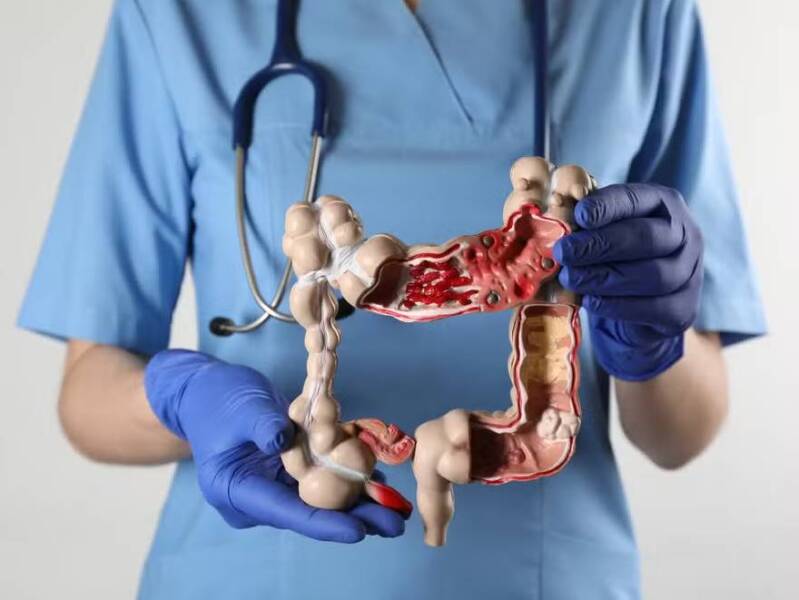
Colon cancer is one of the most common cancers worldwide, and cases have been rising in younger adults. But the good news is that prevention doesn’t always have to be complicated, expensive, or out of reach. This study highlights how a small, affordable dietary habit can deliver real protection.
In this article, we’ll break down what makes broccoli such a nutritional powerhouse, the science behind its anticancer properties, how much you really need to eat to see benefits, and easy ways to add more cruciferous veggies into your daily meals.
1. The News That’s Turning Heads
In 2025, researchers made a breakthrough that’s both surprising and refreshingly simple: just half a cup of broccoli a day can slash colon cancer risk by around 20%.
This finding, published in BMC Gastroenterology, came after analyzing data from nearly 640,000 people across 17 studies. The verdict? Eating 40–60 grams of cruciferous vegetables daily—like broccoli, cauliflower, kale, or Brussels sprouts—offers significant protection against one of the world’s most common and deadly cancers.
For anyone looking for a simple, affordable way to improve health, this is news worth celebrating.
2. Why Colon Cancer Is a Big Deal in 2025
Colorectal cancer remains the second leading cause of cancer deaths worldwide, and numbers have been climbing in younger populations. That makes prevention strategies more crucial than ever.
Screenings are lifesaving, but diet and lifestyle also play a huge role. And now broccoli—something you can toss into a salad or stir-fry—looks like a powerful ally.
3. The Science: What Makes Broccoli So Special?
Cruciferous vegetables are packed with glucosinolates, compounds that transform into isothiocyanates when chopped or chewed. The star of the show? Sulforaphane.
Sulforaphane has been shown to:
-
Switch on detox enzymes that help the body flush out carcinogens.
-
Protect DNA from damage.
-
Stop tumor cells from multiplying.
-
Encourage cancer cells to self-destruct.
On top of that, broccoli is rich in fiber, which keeps your gut microbiome healthy, and antioxidants like vitamin C that fight inflammation.
4. How Much Do You Actually Need?
Here’s the best part—you don’t need to eat mountains of broccoli.
-
20 g/day (about 2 tablespoons): Benefits start showing.
-
40–60 g/day (about half a cup): Risk reduction peaks (20–26% lower).
-
More than 60 g/day: Benefits plateau.
That means even a modest serving with dinner or lunch is enough to make a measurable difference.
5. Broccoli Isn’t Alone—Meet Its Cancer-Fighting Family
If broccoli isn’t your favorite, you’ve still got options. The cruciferous vegetable family includes:
-
Cauliflower
-
Kale
-
Cabbage
-
Brussels sprouts
-
Bok choy
-
Collard greens
Mixing these into your weekly meals keeps things interesting and flavorful.
6. Tasty Ways to Add Cruciferous Veggies to Your Day
-
Breakfast: Toss spinach or kale into a smoothie.
-
Lunch: Add shredded cabbage to wraps or salads.
-
Dinner: Roast Brussels sprouts with garlic and olive oil.
-
Snacks: Try crunchy broccoli florets with hummus.
Cooking tip: Light steaming preserves sulforaphane better than over-boiling.
7. Other Lifestyle Habits That Pair Well with Broccoli
Adding cruciferous veggies is a fantastic step, but cancer prevention is multi-layered. For maximum protection:
-
Get regular colon screenings.
-
Exercise at least 150 minutes a week.
-
Cut back on processed and red meats.
-
Maintain a healthy weight.
-
Avoid smoking and limit alcohol.
Broccoli works best as part of an overall healthy lifestyle.
8. Why This Study Stands Out in 2025
What makes this research headline-worthy is the scale:
-
17 different studies analyzed.
-
Hundreds of thousands of participants.
-
Consistent results across populations.
It’s rare for a dietary study to have such a broad base of evidence. While no single food is a “magic cure,” this level of data makes a strong case for cruciferous veggies as cancer-fighting powerhouses.
9. Real Talk: Should You Start Eating Broccoli Every Day?
The beauty of this discovery is its practicality. Unlike expensive supplements or trendy superfoods, broccoli is affordable, widely available, and easy to prepare.
Of course, eating broccoli alone won’t guarantee protection—but when paired with good lifestyle choices, it can be a simple, daily shield against one of the deadliest cancers of our time.
10. Takeaway for 2025
This year’s research gave us a simple health hack backed by solid science: a half-cup of broccoli or cruciferous veggies a day can cut colon cancer risk by 20%.
It’s the kind of update that makes you want to add broccoli to your grocery list right now. Because prevention doesn’t always need to be complicated—it can be as easy as what’s on your dinner plate tonight.

TechnologyHQ is a platform about business insights, tech, 4IR, digital transformation, AI, Blockchain, Cybersecurity, and social media for businesses.
We manage social media groups with more than 200,000 members with almost 100% engagement.