






















Why the Digital Market Matters More Than Ever
Let’s be honest — the phrase “digital market” gets thrown around a lot. But behind the buzzwords, it’s real, and it’s massive. In 2025, nearly everything we do is connected to digital platforms — from buying groceries online to investing in crypto assets, streaming content, and even how we work remotely.
The digital market is not just e-commerce. It’s the ecosystem of online businesses, digital services, cloud technologies, social platforms, and consumer behavior shifts that are reshaping industries every single year.
In this article, we’ll dive deep into digital market analysis and explore the future perspectives shaping 2025 and beyond. We’ll break down the biggest trends, opportunities, and challenges, and what they mean for both businesses and consumers.
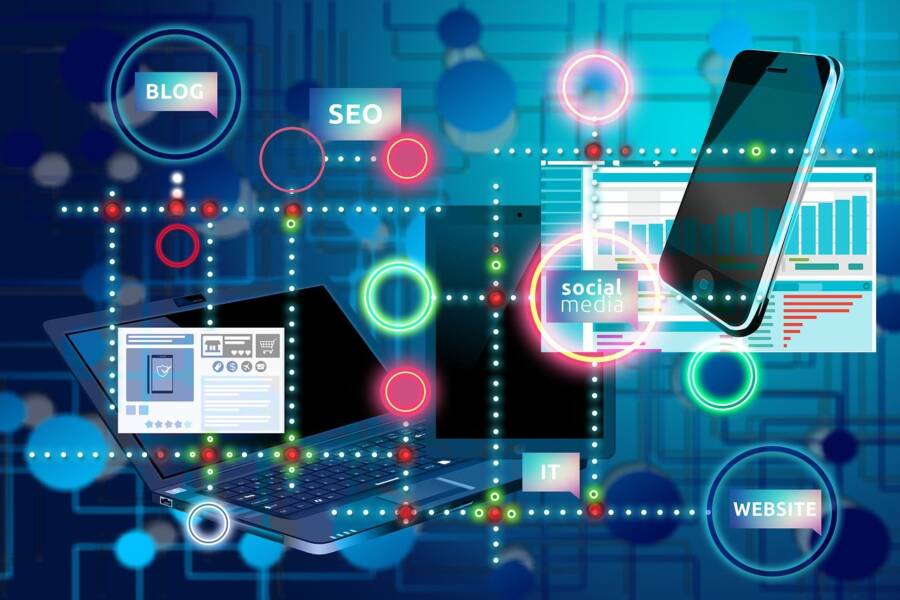
Section 1: Understanding the Digital Market Today
Before we jump into predictions, let’s get a clear snapshot of where things stand right now.
The Size of the Digital Market
-
The global digital economy surpassed $20 trillion in 2023 and is projected to grow by 10–15% annually.
-
E-commerce alone represents more than $6 trillion in global sales — and it’s still rising.
-
Digital advertising accounts for over 60% of total ad spend worldwide.
Consumer Behavior
Today’s consumers are:
-
Mobile-first: Over 70% of online traffic comes from smartphones.
-
Impatient: If a site takes more than 3 seconds to load, half of visitors bounce.
-
Value-driven: People care not only about price but also sustainability, ethics, and brand values.
The Players
-
Giants like Amazon, Google, Alibaba, and Meta dominate.
-
But new disruptors — think TikTok, Stripe, Shopify, and Revolut — are reshaping the game.
👉 This is the baseline. Now, let’s dive into what’s actually fueling this massive shift.
Section 2: Key Drivers of the Digital Market
The digital market doesn’t grow in a vacuum — it’s powered by technology, consumer demand, and global forces.
1. Consumer Expectations
We’re living in the “I want it now” era.
-
One-click purchases.
-
Same-day delivery.
-
Hyper-personalized recommendations.
Amazon Prime set the standard, and now every business is pressured to deliver convenience at lightning speed.
2. AI and Automation
AI is the backbone of today’s digital economy.
-
Netflix suggests what you should watch.
-
Spotify curates your playlists.
-
Shopify automates inventory.
Behind the scenes, AI algorithms crunch billions of data points to make decisions faster and more accurately than humans ever could.
3. 5G and Connectivity
With 5G expanding globally, streaming HD video, gaming, and immersive AR/VR experiences are smoother than ever. This isn’t just about speed — it’s about unlocking entire industries that weren’t viable before.
4. Data as the New Currency
Data isn’t just “important” — it’s the new oil. Companies that know how to collect, analyze, and use data responsibly have a massive competitive advantage.
👉 Example: Starbucks uses data from its loyalty app to decide where to open new stores and what promotions to run.
Section 3: Future Perspectives of the Digital Market (2025 and Beyond)
Now the fun part: predictions. What’s coming next?
1. The Rise of the Experience Economy
Owning things is out, experiencing things is in.
-
Netflix, Spotify, Apple Music — subscription models that let you access, not own.
-
Airbnb, Uber, car-sharing apps — experience over ownership.
-
Expect more virtual concerts, VR museums, and interactive shopping.
2. Growth of AI-Powered Commerce
By 2025, AI will handle:
-
Customer service chats (goodbye, wait times).
-
Personalized shopping journeys (AI knows your taste better than you do).
-
Dynamic pricing models (adjusting in real time to demand).
Businesses that ignore AI will fall behind competitors who automate smarter and faster.
3. Digital Trust & Security
We’ve seen it: data breaches, fake news, scams. Consumers are wary.
-
Expect companies to market trust as much as they market their products.
-
Blockchain solutions will rise, offering transparency in supply chains and transactions.
4. The Green Digital Market
Younger generations are demanding eco-conscious choices.
-
Google Cloud and Amazon Web Services are working on carbon-neutral servers.
-
Brands that embrace green hosting, renewable energy, and ethical supply chains will win loyalty.
5. Global Expansion of E-Commerce
Markets in Africa, Southeast Asia, and Latin America are booming with digital adoption.
-
Example: Kenya’s M-Pesa revolutionized digital payments.
-
These regions may leapfrog traditional systems and move straight into digital-first economies.
Section 4: Opportunities for Businesses
So, how can businesses leverage all this?
1. Personalization at Scale
Use AI to make every customer feel like your only customer.
-
Personalized emails.
-
Tailored product suggestions.
-
Custom rewards.
2. Omnichannel Strategy
Consumers don’t care if they buy online, in-store, or via social media. They just want seamless shopping. Businesses must blend digital + physical.
3. Invest in Digital Marketing
SEO, influencer marketing, and content creation are the holy trinity.
-
Video content on TikTok and YouTube is exploding.
-
Podcasts are becoming a major touchpoint.
-
Long-form content (like this article!) ranks well for SEO.
4. Adopt Emerging Tech Early
AR try-ons (like IKEA’s AR furniture app), VR shopping, and crypto payments aren’t niche anymore — they’re mainstream opportunities waiting to scale.
Section 5: Challenges Ahead
Of course, it’s not all smooth sailing.
1. Data Privacy Issues
With GDPR in Europe, CCPA in California, and similar laws emerging worldwide, companies must take privacy seriously or face penalties.
2. Over-Saturation of Content
The internet is drowning in content. Standing out requires:
-
Strong branding.
-
Valuable storytelling.
-
SEO-backed strategies.
3. The Digital Divide
Not everyone has equal access to technology. Businesses must consider this gap — or risk excluding entire markets.
4. AI Ethics
Bias in algorithms, misuse of data, and over-reliance on automation are real risks. Companies will need to balance innovation with responsibility.
Section 6: Predictions for 2030
Let’s zoom out further. By 2030:
The Metaverse Will Mature
Forget gimmicks — the metaverse will power remote work, education, and healthcare. Think virtual classrooms and hospitals.
AI Will Be Ubiquitous
AI won’t just be a tool — it’ll be the foundation of how businesses run. From HR hiring to supply chain logistics, AI will be everywhere.
Digital Currency Adoption
Governments are already testing CBDCs (Central Bank Digital Currencies). Expect mainstream use by 2030, reshaping global finance.
Global Digital Economy Outlook
Experts predict the digital economy could exceed $50 trillion by 2030. That’s more than double today’s value.
Section 7: What It Means for You (Casual Wrap-Up)
Here’s the bottom line:
-
If you’re a business owner, digital transformation is no longer optional.
-
If you’re a consumer, expect more convenience, personalization, and choices — but also watch your data privacy.
-
If you’re a student or professional, digital skills (AI, data, SEO, content creation) are the future.
The digital market isn’t slowing down. It’s accelerating. And the best strategy is to adapt, stay agile, and keep learning.
Conclusion: Stay Ahead or Fall Behind
The future perspectives of the digital market are both thrilling and challenging. One thing is clear: those who adapt will thrive, and those who resist will get left behind.
2025 is not the finish line — it’s just the beginning. Businesses that embrace AI, personalization, sustainability, and trust will shape the next chapter of the global digital economy.
So ask yourself: are you ready for it?

TechnologyHQ is a platform about business insights, tech, 4IR, digital transformation, AI, Blockchain, Cybersecurity, and social media for businesses.
We manage social media groups with more than 200,000 members with almost 100% engagement.