






















Why Textiles Still Rule the World
Let’s be honest—most people don’t think about textiles beyond the clothes in their closet. But textiles are everywhere. From the seatbelt in your car, the upholstery on your sofa, to the high-tech fibers used in space suits—this industry is quietly one of the biggest engines of the global economy.
As of 2025, the global textile industry is valued at over $1 trillion, and it’s only expected to keep growing. What’s fascinating is that despite being truly global, the market is dominated by just three power players: China, the United States, and Europe.
Each of these regions plays a different role. China is the production powerhouse, churning out billions of garments and fabrics every year. The U.S. focuses on innovation and niche, high-tech textiles. Europe? It’s the home of luxury fashion and cutting-edge sustainability.
So, let’s dive into the numbers, trends, and stories
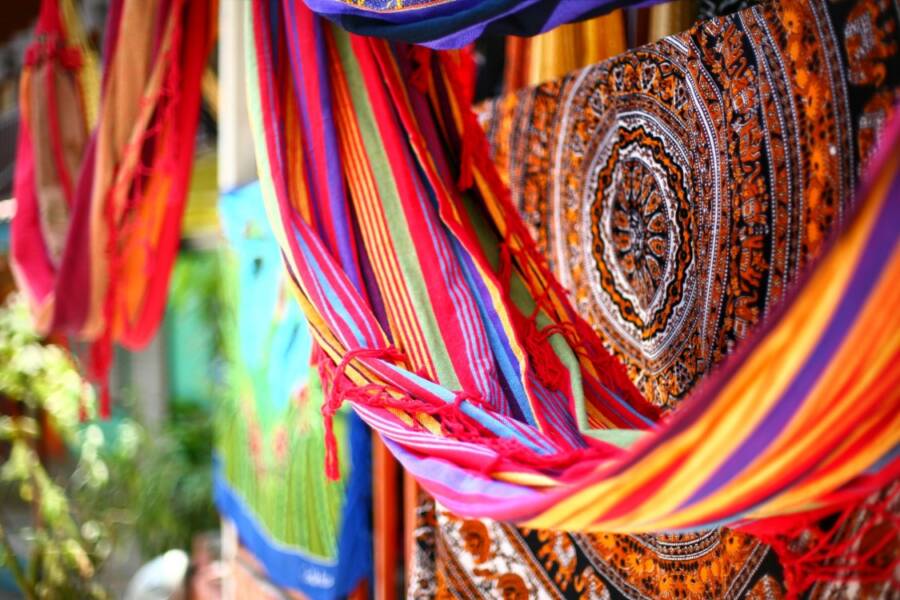
The Global Textile Industry at a Glance
The textile industry is one of the oldest in the world, dating back to ancient civilizations weaving cotton, wool, and silk by hand. Fast-forward to today, and it’s become a sprawling ecosystem that covers:
-
Raw material production: cotton, wool, polyester, silk, hemp, and more
-
Textile manufacturing: spinning, weaving, knitting, dyeing
-
Finished goods: apparel, home textiles, industrial fabrics, and technical textiles
-
Distribution & retail: from luxury fashion houses to fast fashion giants
Market Size in 2025
-
Estimated global market value: $1.2 trillion+
-
Projected CAGR (2025–2030): 4–5%
-
Major consumer markets: U.S., EU, China, India
Key Drivers
-
Fast fashion → quick turnaround, low-cost clothing
-
Technical textiles → used in healthcare, automotive, defense, and construction
-
Sustainability → rising demand for eco-friendly fabrics and recycling initiatives
-
Digitalization → AI-powered design, smart textiles, and e-commerce growth
But while the industry is massive, control isn’t evenly spread out. Three regions call the shots.
Why China Leads the Textile World
It’s impossible to talk about textiles without starting with China. The country is by far the largest producer and exporter of textiles in the world.
Sheer Scale of Production
China accounts for nearly 40% of the world’s textile and apparel exports. Cities like Guangzhou, Shaoxing, and Shenzhen are industrial hubs where entire communities are built around textile factories.
Government Support
For decades, Beijing has invested heavily in infrastructure, tax breaks, and export incentives for the textile sector. This has allowed China to keep costs low and output high.
Exports & Trade Dominance
-
China exports to over 200 countries.
-
Key partners: U.S., EU, Japan, South Korea.
-
Top products: cotton fabrics, polyester, knitwear, fast fashion garments.
Challenges China Faces
-
Rising labor costs → factories are no longer as cheap as they were 15 years ago.
-
Sustainability pressures → heavy pollution and waste in textile production.
-
Global trade tensions → tariffs and supply chain shifts, especially from the U.S.
The Fast Fashion Engine
Brands like Shein, Temu, and Zara’s suppliers rely heavily on China’s “speed factories.” These can design, produce, and ship thousands of new styles in a matter of weeks, feeding the insatiable appetite of Gen Z and Millennial shoppers worldwide.
The U.S. Textile Industry: Innovation Over Mass Production
Unlike China, the U.S. isn’t the cheapest producer, and it doesn’t try to be. Instead, the U.S. carves out a unique position in the global textile market by focusing on innovation, specialization, and technology.
High-Tech and Specialty Textiles
The U.S. leads in areas like:
-
Smart textiles (fabrics that track biometrics)
-
Military textiles (bulletproof, fire-resistant materials)
-
Medical textiles (antimicrobial fabrics, surgical gowns, implants)
-
Sportswear innovation (moisture-wicking, performance fabrics)
Consumer Powerhouse
Americans are among the world’s largest consumers of textiles and apparel, importing billions of dollars in clothing annually. While much of the fast fashion comes from Asia, U.S. companies dominate the branding, marketing, and retail side of the business.
Sustainability and Reshoring
There’s a growing movement to bring some textile manufacturing back to the U.S. through automation and eco-friendly initiatives. While it won’t replace Asia’s scale, it signals a shift in strategy.
Trade Tensions with China
Tariffs, sanctions, and political disputes have reshaped the textile trade in recent years. Some U.S. retailers are diversifying supply chains, sourcing from countries like Vietnam, India, and Mexico to reduce reliance on China.
Europe’s Textile Powerhouses
Europe has a different story altogether. It’s not about mass production—it’s about quality, tradition, and sustainability.
Luxury & Fashion Capitals
-
Italy → Home of luxury textiles, fine wool, silk, and fashion giants like Gucci and Prada.
-
France → Fashion capital with haute couture and luxury apparel.
-
UK → Traditional wool and fashion design hubs.
Technical & Industrial Textiles
-
Germany is a leader in textile machinery and technical fabrics used in construction, automotive, and defense.
-
Eastern Europe (Poland, Romania, Bulgaria) has become a growing production hub, thanks to lower costs and proximity to Western Europe.
Sustainability Leadership
Europe is at the forefront of circular fashion—designing textiles for recycling and reducing waste. The EU has introduced stricter regulations for textile sustainability, forcing brands to rethink production methods.
How These Regions Compare: China vs U.S. vs Europe
Here’s a quick breakdown of how the “big three” stack up:
| Region | Strengths | Weaknesses | Role in Global Market |
|---|---|---|---|
| China | Scale, low-cost manufacturing, fast fashion supply chain | Rising labor costs, sustainability issues, trade tensions | World’s largest exporter & producer |
| U.S. | Innovation, specialty textiles, consumer power, branding | High costs, reliance on imports | Innovation hub & retail leader |
| Europe | Luxury fashion, technical textiles, sustainability | Smaller production scale, higher costs | Luxury & eco-leadership |
Future Trends Shaping the Textile Market
The textile industry is evolving fast, and the next decade could look very different.
-
Sustainability Takes Center Stage
Eco-friendly fabrics, recycling, and reducing textile waste will dominate. Brands that ignore sustainability risk losing younger customers. -
Automation & AI in Textile Manufacturing
Smart factories with robots and AI design tools are cutting costs and speeding up production cycles. -
Smart & Wearable Textiles
Imagine clothes that track your heart rate, change color with temperature, or charge your phone. This is no longer sci-fi—it’s already happening. -
Geopolitical Shifts
As tensions rise, supply chains may spread out beyond China, with India, Bangladesh, and Vietnam gaining ground. -
Digital-First Fashion
From 3D printing fabrics to virtual fashion shows in the metaverse, the textile world is colliding with tech like never before.
Conclusion: The Future of Textile Power
The global textile industry may be massive and complex, but the balance of power is clear. China dominates production, the U.S. drives innovation and consumption, and Europe leads in luxury and sustainability.
Together, these three regions shape what we wear, how we live, and even how industries from healthcare to aerospace evolve.
Looking ahead, expect to see more focus on sustainability, technology, and shifting trade patterns. While challengers like India, Vietnam, and Bangladesh are rising, for now, China, the U.S., and Europe remain firmly in control of the fabric of our lives—literally.
FAQs
1. Which country is the largest exporter of textiles in 2025?
China remains the world’s largest exporter, accounting for around 40% of global textile exports.
2. What are the top trends in the global textile industry?
Sustainability, smart textiles, AI-driven design, and circular fashion are leading the way.
3. How does the U.S. compete with China in textiles?
Instead of mass production, the U.S. focuses on high-tech textiles, innovation, and branding power.
4. What makes Europe unique in the textile market?
Europe is known for luxury fashion, advanced technical textiles, and strong sustainability policies.
5. Who could challenge China’s dominance in the future?
Countries like India, Bangladesh, and Vietnam are emerging as strong competitors in mass textile production.

TechnologyHQ is a platform about business insights, tech, 4IR, digital transformation, AI, Blockchain, Cybersecurity, and social media for businesses.
We manage social media groups with more than 200,000 members with almost 100% engagement.