






















Running a business in the UK can be one of the most exciting adventures you’ll ever take on. Whether you’re launching a tech startup, opening a local coffee shop, or scaling an e-commerce brand, the thrill of creating something of your own is unmatched.
But here’s the catch: the UK has plenty of legal requirements that every business, big or small, must follow. Skip them, and you could face fines, lawsuits, or even risk losing your entire business. The good news? Navigating UK business laws doesn’t have to feel like wading through a swamp of legal jargon.
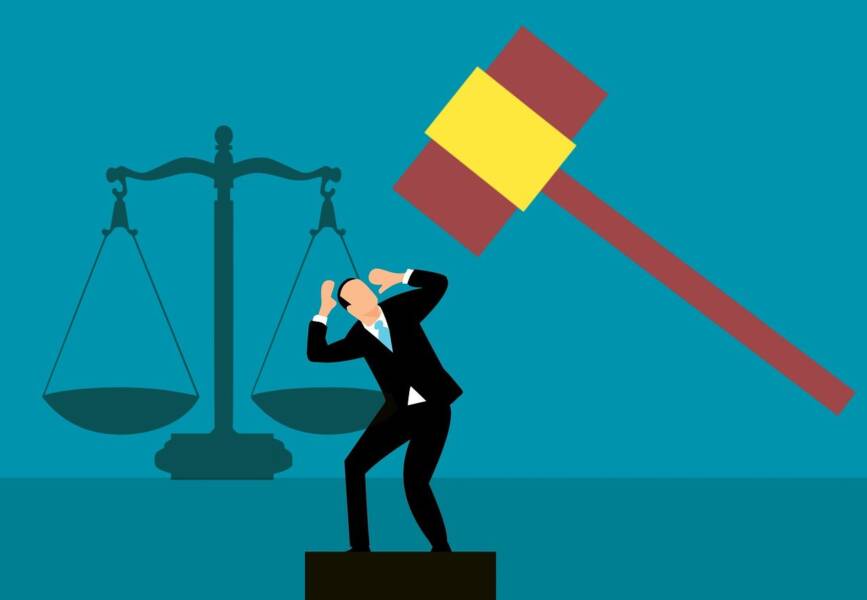
This guide breaks down the legal considerations all businesses in the UK must know—in plain English, with zero fluff. From setting up your company and handling taxes to protecting your intellectual property and staying GDPR-compliant, this is your go-to resource for running your business legally, confidently, and without unnecessary headaches.
1. Business Formation & Registration
Before you can even think about customers or profits, you need to choose your business structure. In the UK, you generally have three main options:
-
Sole Trader: Quick and easy to set up, but you’re personally liable for debts.
-
Partnership: Two or more people share responsibility.
-
Limited Company: Separate legal entity, which protects your personal assets but comes with more paperwork.
👉 Pro tip: Many entrepreneurs start as sole traders because it’s simple, then switch to a limited company as their business grows.
Once you’ve chosen, you’ll need to register with HMRC (for sole traders) or Companies House (for limited companies). Get this wrong, and you’ll be on HMRC’s radar for the wrong reasons.
2. Licenses & Permits
Some businesses need specific licenses to operate legally. For example:
-
Selling alcohol? You’ll need a premises license.
-
Opening a café? You may need food hygiene certificates.
-
Offering financial advice? You’ll need approval from the FCA (Financial Conduct Authority).
Even small businesses should check with local councils for permits—like street trading licenses or planning permissions. Ignoring this step could lead to immediate closure or fines.
3. Business Contracts & Agreements
A handshake isn’t enough in the business world. Clear, written contracts protect you and your business relationships.
Key contracts you might need:
-
Client contracts: Outlining payment terms, delivery, and expectations.
-
Supplier agreements: Ensuring stable supply chains.
-
Partnership agreements: If you’re going into business with someone else.
👉 Remember: contracts don’t have to be stuffed with “legalese.” Plain, simple terms work best—as long as everything important is covered.
4. Intellectual Property (IP) Protection
Your business name, logo, products, and even unique processes may qualify as intellectual property. Protecting them keeps competitors from stealing your ideas.
-
Trademarks: Protect your brand name and logo.
-
Copyright: Protects creative work like designs, content, or software code.
-
Patents: Cover new inventions or processes.
You can register your IP with the UK Intellectual Property Office (UKIPO). Think of it as putting a legal fence around your brand.
5. Employment Law Essentials
If you’re hiring staff, UK employment law kicks in immediately. Some key requirements:
-
Every employee must have a written contract within two months.
-
Pay at least the National Minimum Wage (or National Living Wage if they’re 23+).
-
Employees are entitled to paid holiday, sick leave, and maternity/paternity rights.
-
Avoid discrimination in hiring and workplace practices.
Oh, and don’t forget workplace pensions—even small businesses must enroll eligible staff.
6. Tax & Accounting Obligations
Nobody likes taxes, but ignoring them can crush your business.
Here’s what you need to know:
-
Sole traders file a Self-Assessment tax return every year.
-
Limited companies must file annual accounts and pay Corporation Tax.
-
If your turnover exceeds £90,000 (2025 threshold), you must register for VAT.
-
Keep proper financial records for at least 6 years.
👉 Many small businesses hire an accountant—it’s money well spent.
7. Data Protection & GDPR Compliance
In the digital age, protecting customer data isn’t just ethical—it’s the law.
The UK follows GDPR (General Data Protection Regulation) rules, which means:
-
You need clear consent before collecting data.
-
Store data securely and only for as long as necessary.
-
Customers must be able to access or delete their data upon request.
Depending on what you do, you might also need to register with the ICO (Information Commissioner’s Office).
Data Privacy You Must Adhere To
Since the General Data Protection Regulation (GDPR) came into effect a lot of chaos has ensued. What does it mean for your company? How must you adhere to the new laws? The biggest issue with this act is that it applies to companies all around the world whose sites can be accessed by European citizens. It is therefore critical that everyone hire data protection solicitors to go through the law requirements and make the necessary changes to their data policies immediately.
8. Health & Safety Obligations
Even if your business isn’t in construction or manufacturing, you still have health and safety responsibilities.
-
Conduct risk assessments.
-
Provide a safe working environment.
-
Have the right signage, fire safety measures, and first aid kits.
If you employ five or more people, you must have a written health and safety policy.
9. Insurance Requirements
Certain types of insurance are legally required in the UK:
-
Employers’ Liability Insurance: If you employ anyone, it’s mandatory.
-
Vehicle Insurance: If you use company vehicles.
Other types aren’t legally required but are highly recommended:
-
Public Liability Insurance (if you deal with the public).
-
Professional Indemnity Insurance (if you give advice).
-
Business Interruption Insurance (for unexpected crises).
Skipping insurance can be a financial disaster if something goes wrong.
10. Online Business Legal Considerations
Running an online business? You’ve got extra rules to follow:
-
E-commerce Regulations: Be transparent about prices, delivery, and refund rights.
-
Website Policies: You must have terms and conditions, a privacy policy, and a cookie policy.
-
Consumer Rights Act: Customers buying online can cancel within 14 days.
Even if you’re a one-person Etsy shop, these rules apply.
11. Environmental & Sustainability Laws
More UK businesses are being held accountable for their environmental impact.
-
Proper waste disposal and recycling.
-
Compliance with energy efficiency standards.
-
Some industries face strict emissions rules.
Consumers care about sustainability—so compliance here can also be a marketing win.
Environmental Protections
The environment is a top priority for people around the world and it is a mistake to assume that it is optional for you. France has already banned all single-use plastic cups, cutlery, and straws to be in effect from 2020 onwards. Though there is some controversy on whether or not this is a legal move, it can be safe to say that other countries will follow suit.
The citizens of the EU know how big a problem plastic is, and marches are organised around the world several times a year encouraging policy makers to take action and force stricter environmental protections. Taking a proactive stance can save you from a fast turnover period and be used to bring in new customers.
12. Resolving Legal Disputes
Disputes happen—even if you do everything right. Before running to court, consider:
-
Mediation: A neutral third party helps you find common ground.
-
Arbitration: A faster, less formal alternative to court.
If all else fails, consult a solicitor. Sometimes, a single lawyer’s letter resolves things before it escalates.
13. Staying Up to Date
UK laws evolve constantly. Employment laws, tax thresholds, GDPR updates—it’s a moving target.
Stay updated by:
-
Signing up for HMRC email alerts.
-
Following GOV.UK’s business section.
-
Joining trade associations in your industry.
A little proactivity can save you from huge headaches later.
14. FAQs
Do I need a lawyer to start a UK business?
Not necessarily. Many people set up their business themselves, but consulting a lawyer can be wise if you’re unsure about contracts or regulations.
What happens if I don’t register my company?
You could face penalties, fines, and in some cases, legal action. It also means you can’t legally trade.
What insurance is legally required in the UK?
Employers’ liability insurance (if you hire staff) and vehicle insurance (if you use company cars).
How do I stay updated on UK business laws?
Check official resources like GOV.UK, HMRC, and the ICO. Joining a professional body in your industry helps too.
Conclusion
Starting or running a business in the UK isn’t just about having a great idea—it’s about making sure you’re legally compliant. From registering your business and filing taxes to protecting customer data and following employment law, each step is about safeguarding your hard work.
Think of legal compliance as a seatbelt: it may not be the most glamorous part of the journey, but it keeps your business safe when things get bumpy.
So, whether you’re just launching your first venture or scaling up your existing company, make sure you’ve got these legal considerations all businesses in the UK must know covered.
Because in business, knowledge isn’t just power—it’s protection.

Ingrid Maldine is a business writer, editor and management consultant with extensive experience writing and consulting for both start-ups and long established companies. She has ten years management and leadership experience gained at BSkyB in London and Viva Travel Guides in Quito, Ecuador, giving her a depth of insight into innovation in international business. With an MBA from the University of Hull and many years of experience running her own business consultancy, Ingrid’s background allows her to connect with a diverse range of clients, including cutting edge technology and web-based start-ups but also multinationals in need of assistance. Ingrid has played a defining role in shaping organizational strategy for a wide range of different organizations, including for-profit, NGOs and charities. Ingrid has also served on the Board of Directors for the South American Explorers Club in Quito, Ecuador.