





















Medicine is entering a new era in which heart disease is no longer managed solely inside hospitals and clinics. Thanks to rapid advances in digital health, artificial intelligence (AI), wearable technology, and remote monitoring, cardiovascular care is becoming more continuous, personalized, and preventive.
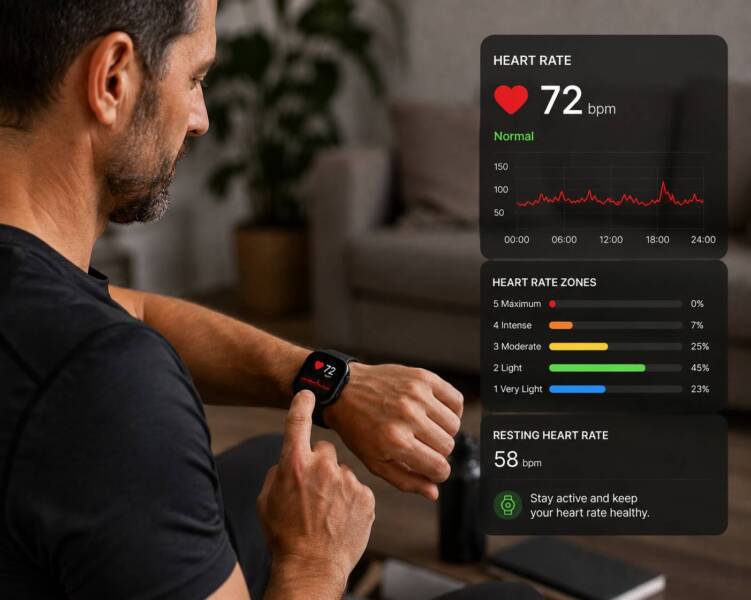
Rather than relying on occasional checkups, physicians can now access a steady stream of health data that helps identify changes long before a medical emergency occurs. This shift has the potential to detect problems earlier, support healthier behaviors, and improve long-term outcomes for many people.
Artificial Intelligence Is Transforming Cardiology
Artificial intelligence has become one of the most significant innovations in modern cardiovascular medicine. Instead of replacing physicians, AI serves as a powerful clinical tool that helps analyze vast amounts of medical data more quickly and consistently than traditional methods alone.
AI systems can assist healthcare professionals by:
- Detecting subtle abnormalities on electrocardiograms (ECGs)
- Identifying patients at higher cardiovascular risk
- Analyzing cardiac imaging with greater efficiency
- Predicting hospital readmissions
- Supporting treatment decisions using large clinical datasets
Machine learning algorithms are increasingly able to recognize patterns that may be difficult for the human eye to detect. In some cases, AI has shown promise in identifying signs of heart dysfunction before symptoms become apparent, allowing clinicians to investigate further and intervene earlier.
Importantly, these tools are intended to complement—not replace—the expertise and judgment of trained healthcare professionals.
Wearable Devices Are Bringing Heart Monitoring Into Everyday Life
One of the most visible advances in digital health is the widespread adoption of wearable technology.
Millions of people now wear devices that continuously measure health metrics such as:
- Heart rate
- Physical activity
- Sleep duration and quality
- Blood oxygen saturation (on supported devices)
- Heart rhythm (on certain models)
- Fitness trends over time
Unlike a brief reading taken during an office visit, wearable devices can collect data throughout the day and night, providing a more comprehensive view of a person’s health.
This continuous monitoring may help users recognize changes that warrant medical attention and encourage healthier daily habits.
Smartwatches Can Detect Certain Heart Rhythm Abnormalities
Many modern smartwatches include sensors capable of recording a single-lead electrocardiogram (ECG) and detecting irregular heart rhythms.
One of their most valuable applications is identifying possible episodes of atrial fibrillation (AFib), a common arrhythmia associated with an increased risk of stroke.
When an irregular rhythm is detected, the device may notify the user to seek medical evaluation.
It is important to understand, however, that smartwatch notifications are not medical diagnoses. They can produce false-positive or false-negative results, and any concerning finding should be confirmed through appropriate clinical assessment.
Smartwatches are valuable screening tools but should not replace professional medical care.
Remote Patient Monitoring Is Changing Chronic Disease Management
Traditionally, many patients with cardiovascular disease were evaluated only during scheduled clinic visits.
Remote patient monitoring is changing this model.
Using connected medical devices, healthcare providers can monitor important health information from a patient’s home, including:
- Blood pressure
- Body weight
- Heart rate
- Heart rhythm
- Blood glucose (when relevant)
- Symptoms reported through digital platforms
For patients with conditions such as heart failure or hypertension, these data may allow clinicians to identify concerning trends earlier and adjust treatment before complications develop.
Remote monitoring can reduce unnecessary hospitalizations and improve continuity of care, particularly for individuals who have difficulty attending frequent in-person appointments.
Digital Health Apps Help Build Healthier Habits
Preventing heart disease depends heavily on everyday choices.
Digital health applications can support these choices by helping people:
- Track physical activity
- Monitor nutrition
- Reduce sodium intake
- Maintain healthy body weight
- Improve sleep habits
- Manage stress
- Remember medications
- Record blood pressure readings
Although these tools cannot guarantee better health, they can increase awareness, promote consistency, and make it easier to maintain positive lifestyle changes over time.
The Rise of Connected Healthcare
Healthcare is becoming increasingly connected.
Many hospitals now use secure digital platforms that allow patients to:
- View laboratory results
- Schedule appointments
- Communicate with healthcare teams
- Access imaging reports
- Receive medication reminders
- Participate in telemedicine consultations
These technologies improve access to care and can strengthen communication between patients and healthcare professionals.
For individuals living in remote areas or with limited mobility, virtual consultations may also reduce barriers to receiving timely medical advice.
Genetics and Precision Medicine
Researchers continue to improve our understanding of how genetics influences cardiovascular disease.
Some inherited conditions significantly increase the risk of heart disease, even in otherwise healthy individuals.
Advances in genetic testing and precision medicine are helping physicians identify people who may benefit from earlier screening, closer monitoring, or preventive treatment.
However, genes are only one part of the equation. Lifestyle, environmental factors, and existing medical conditions remain major contributors to cardiovascular health.
The Future of Heart Attack Prevention
Emerging technologies continue to expand the possibilities for preventive cardiology.
Areas of active research include:
- AI systems capable of predicting cardiovascular events using multiple health data sources
- Wearable sensors that continuously monitor additional physiological markers
- More advanced imaging techniques for earlier detection of arterial disease
- Digital twins—computer models that simulate an individual’s cardiovascular system to support personalized treatment planning
- Smart implants and biosensors that may provide continuous monitoring for selected high-risk patients
While many of these innovations are still being refined, they illustrate how medicine is moving toward increasingly individualized and proactive care.
Technology Supports Prevention—It Does Not Replace Healthy Living
Despite remarkable technological advances, the foundations of heart health remain unchanged.
The strongest evidence for reducing cardiovascular risk continues to support:
- Avoiding tobacco use
- Engaging in regular physical activity
- Eating a balanced, heart-healthy diet
- Maintaining a healthy body weight
- Managing blood pressure, cholesterol, and diabetes
- Getting sufficient sleep
- Limiting alcohol consumption
- Managing chronic stress
- Attending regular medical checkups and following professional advice
Technology can help people monitor their health, recognize potential problems earlier, and stay engaged with preventive care. However, no smartwatch, smartphone application, or artificial intelligence system can substitute for healthy daily habits or individualized medical guidance.
Final Thoughts
Heart attacks remain one of the world’s leading health challenges, but advances in prevention are changing the outlook for millions of people. Artificial intelligence, wearable devices, remote monitoring, precision medicine, and digital health technologies are enabling earlier detection of risk and supporting more personalized care than ever before.
At the same time, these innovations are most effective when combined with evidence-based lifestyle choices and regular medical care. The future of cardiovascular medicine is not simply about treating heart attacks—it is about identifying risk sooner, empowering individuals to take an active role in their health, and preventing many cardiac events before they occur.
As technology continues to evolve, the goal of keeping more people healthy for longer is becoming increasingly achievable.

TechnologyHQ is a platform about business insights, tech, 4IR, digital transformation, AI, Blockchain, Cybersecurity, and social media for businesses.
We manage social media groups with more than 200,000 members with almost 100% engagement.